GSM stands for grams per square metre. It is a measure of weight, not thickness, though for a given paper family the two track closely enough to be useful.
A rough feel guide
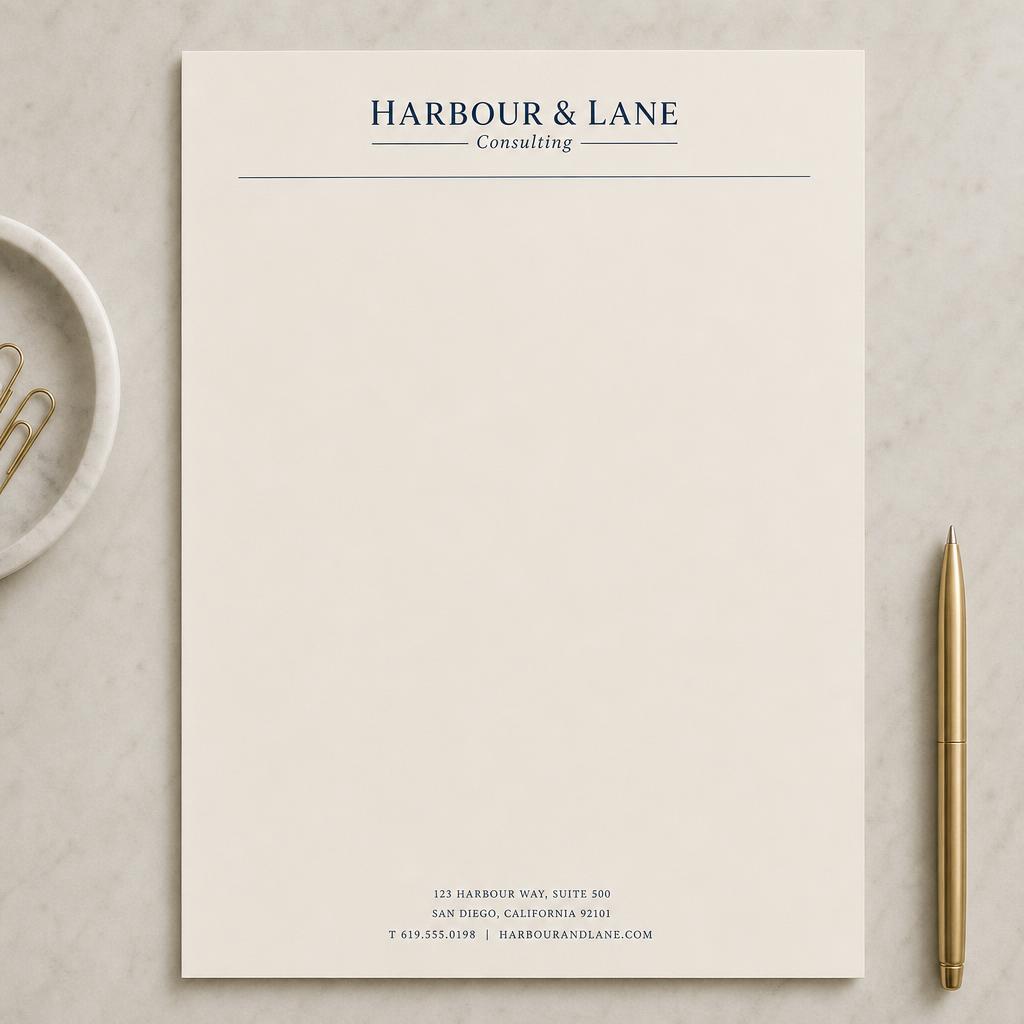
- 80 to 100gsm — office copier paper, letterheads, compliment slips. Light, folds easily, shows print through from the reverse.
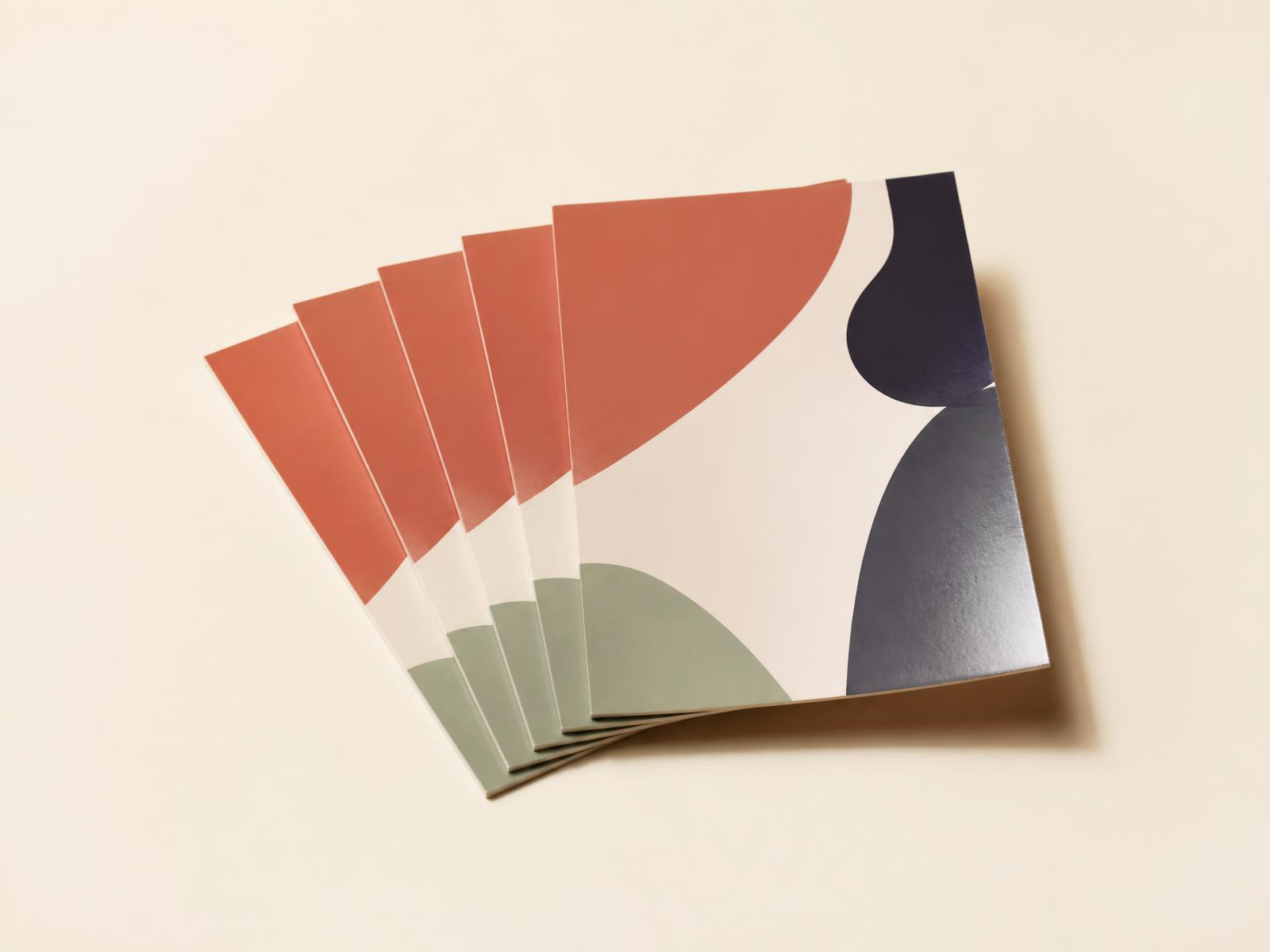
- 130 to 170gsm — flyers, leaflets, posters, magazine interiors. 170gsm is the standard flyer weight because it feels deliberate without costing much more than 130.
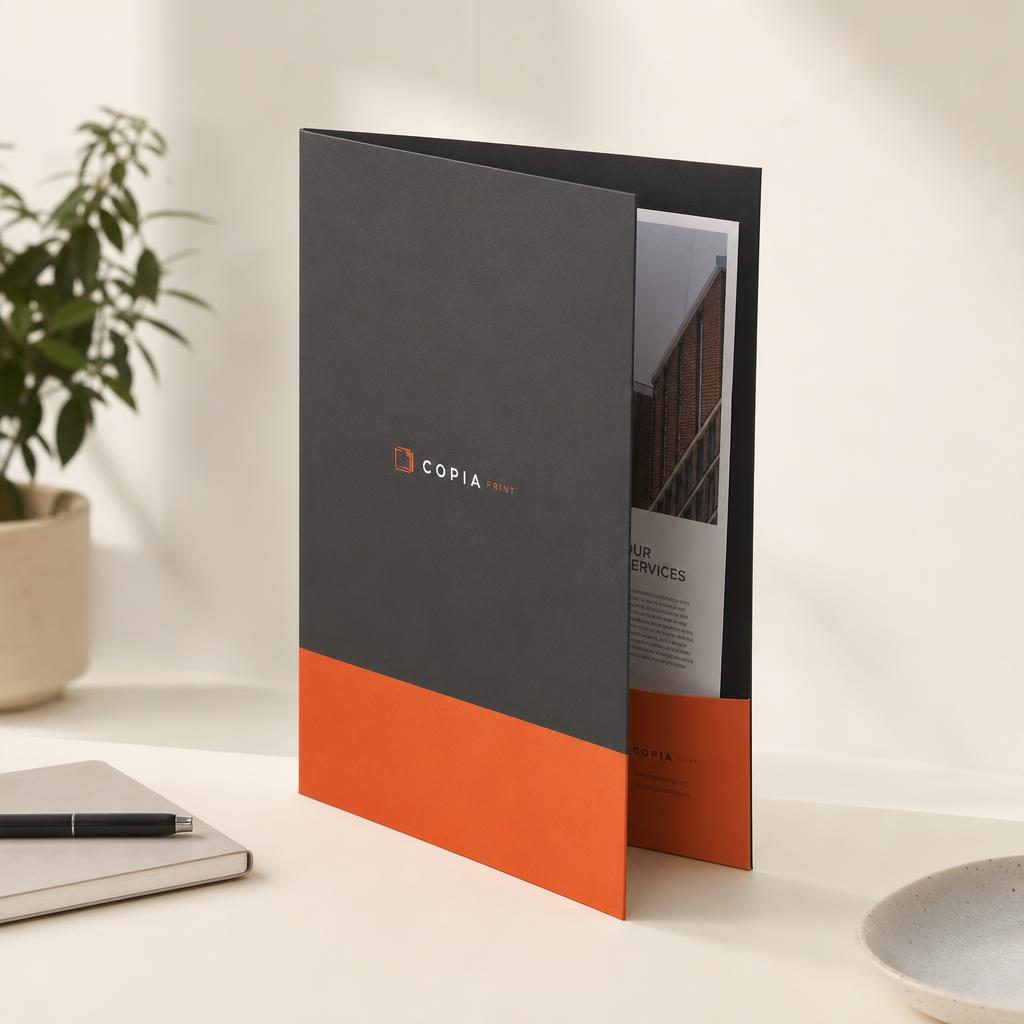
- 250 to 300gsm — postcards, folder covers, loyalty cards. Stiff enough to stand on its own edge.
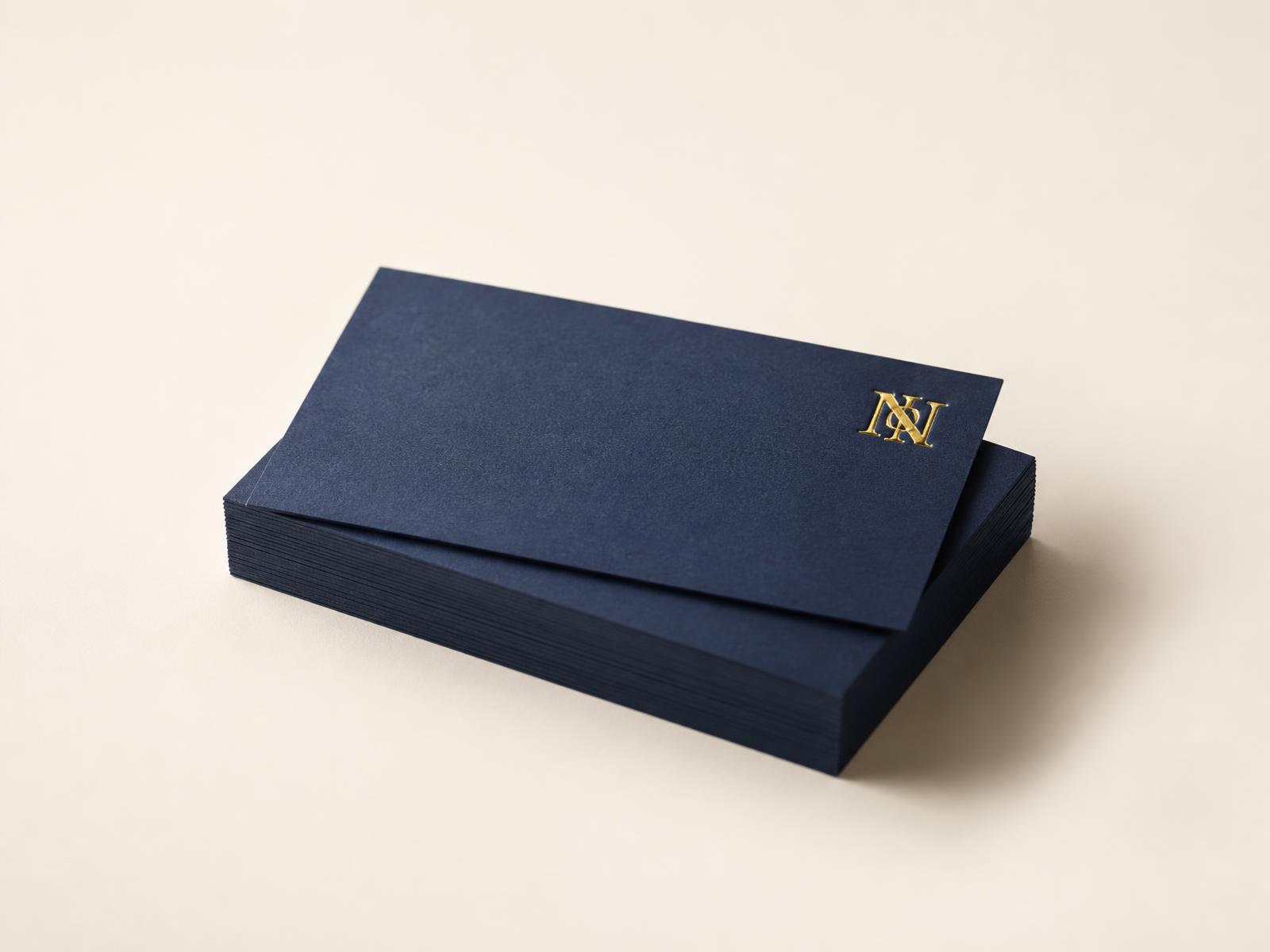
- 350 to 400gsm — business cards, invitations, tags. This is board rather than paper.
- 450gsm and above — luxury and duplexed cards, often two sheets bonded together.
Why the same GSM can feel different
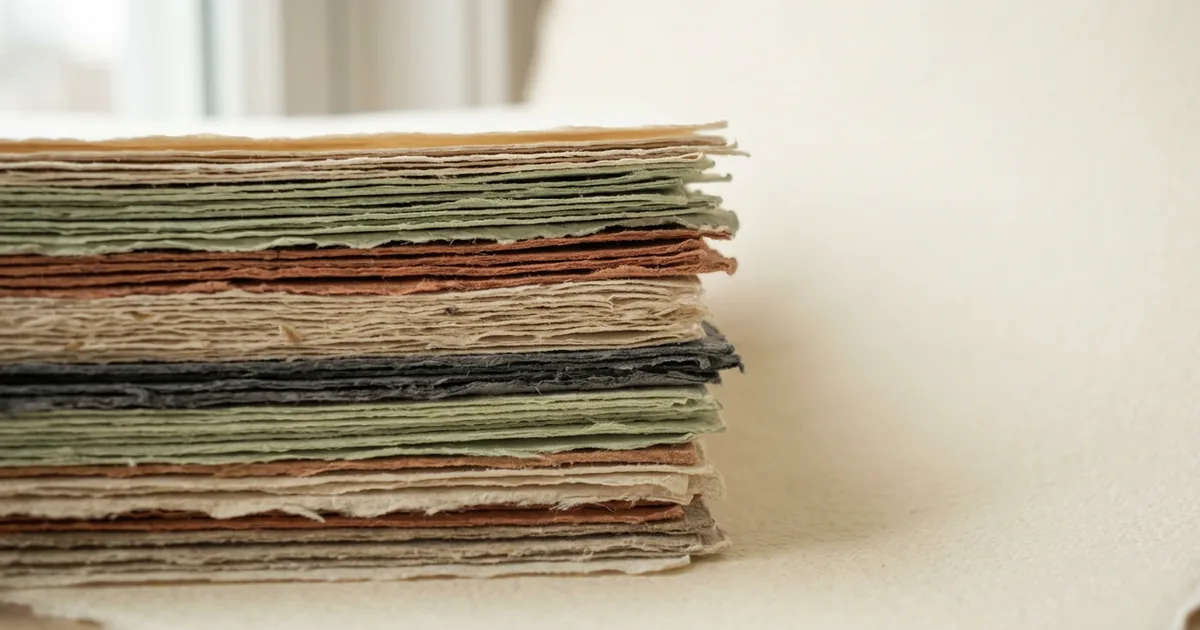
Bulk matters as much as weight. An uncoated 300gsm sheet feels chunkier than a coated 300gsm sheet because the coating adds weight without adding thickness. Recycled and kraft boards are usually bulkier still. If thickness is what you actually care about, ask about microns rather than GSM.
Coated, uncoated and what happens to your ink
Coated stocks — gloss and silk — have a clay layer that holds ink on the surface. Colours stay vivid and detail stays sharp. Not writable with a normal pen.
Uncoated stocks absorb ink, so colours land softer and slightly darker and fine detail spreads a fraction. They feel warmer, take handwriting, and suit natural or editorial brands.
Where extra weight is worth paying for
Spend on weight where the item is handled and kept: business cards, invitations, menus, packaging inserts. Do not spend on weight for anything read once and recycled — a 300gsm flyer is not twice as persuasive as a 170gsm one, and door-drop costs rise with weight.
Folding heavier stock
Anything above about 170gsm needs creasing before folding, otherwise the coating cracks along the fold and shows a white line. Creasing is inexpensive and we apply it automatically on folded work above that weight — but if you are supplying a folded design, make sure the fold positions in your artwork match the finished panels exactly.