
Wedding stationery is easier once you stop thinking of it as a shopping list and start thinking of it as three moments: telling people, hosting people, and thanking people.
Telling people
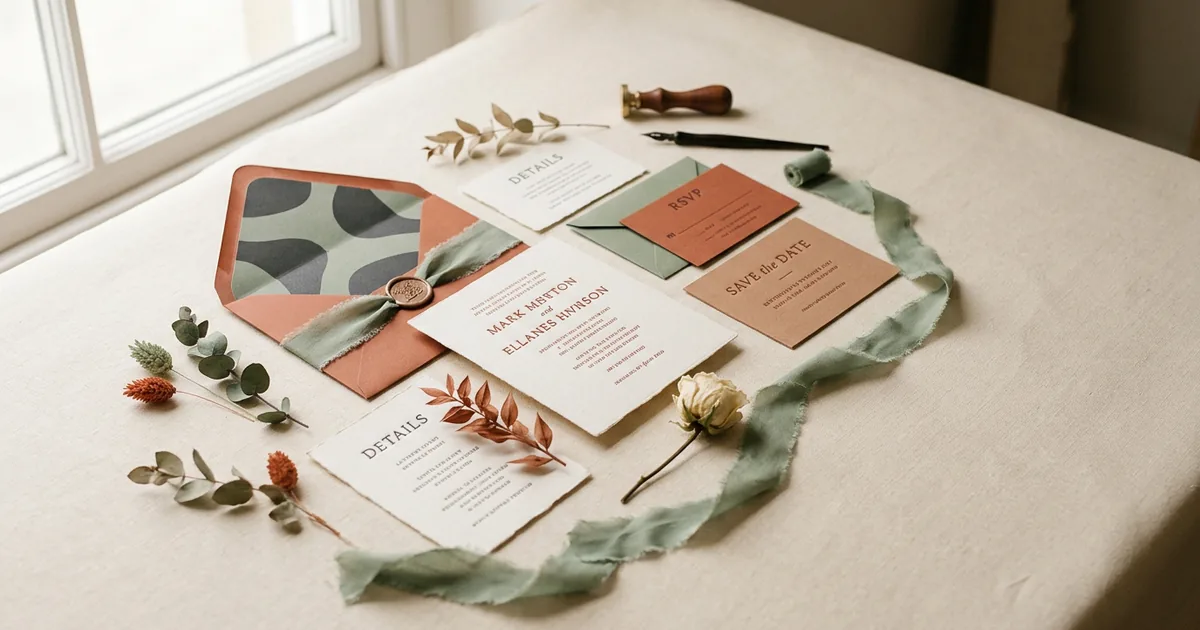
Save the dates go out nine to twelve months ahead, or twelve to eighteen months for a destination wedding. They only need names, the date and the town. Keep them cheap and cheerful — a printed postcard does the job better than a folded card, because nobody keeps the envelope.
Invitations follow at three to four months. This is where to spend: heavier stock, a considered typeface, perhaps a foil or a venue illustration. Include the ceremony time, venue, RSVP date and how to reply. Anything else — parking, dress code, accommodation, gift wording — belongs on a separate details card or your wedding website, not squeezed onto the invitation.
Hosting people
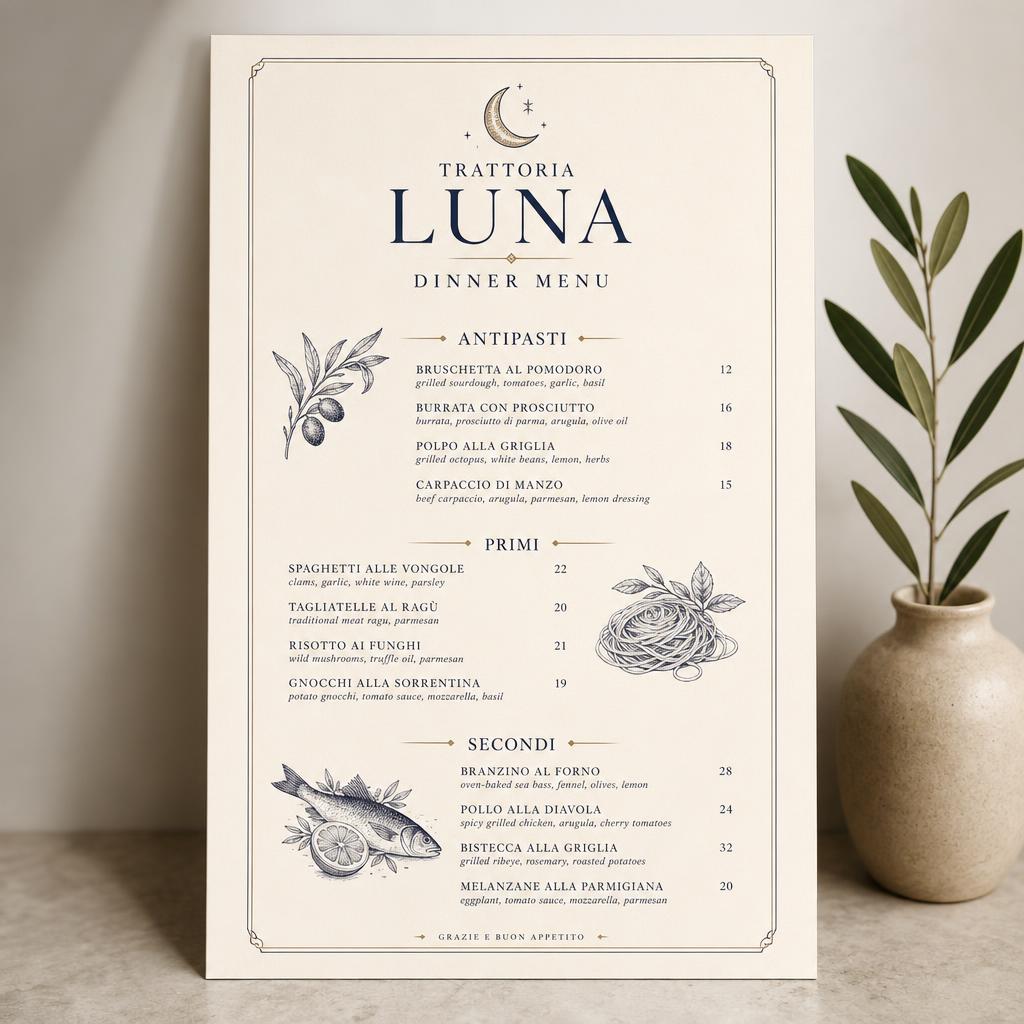
On-the-day stationery is what guests actually photograph: order of service, menus, place cards, table numbers, a seating plan and signage. Print these together so the paper and typography match — mixed stocks across a table read as an accident rather than a choice.
A single large seating plan is cheaper and calmer than individual escort cards, but escort cards are more forgiving if numbers change in the final fortnight.
Thanking people
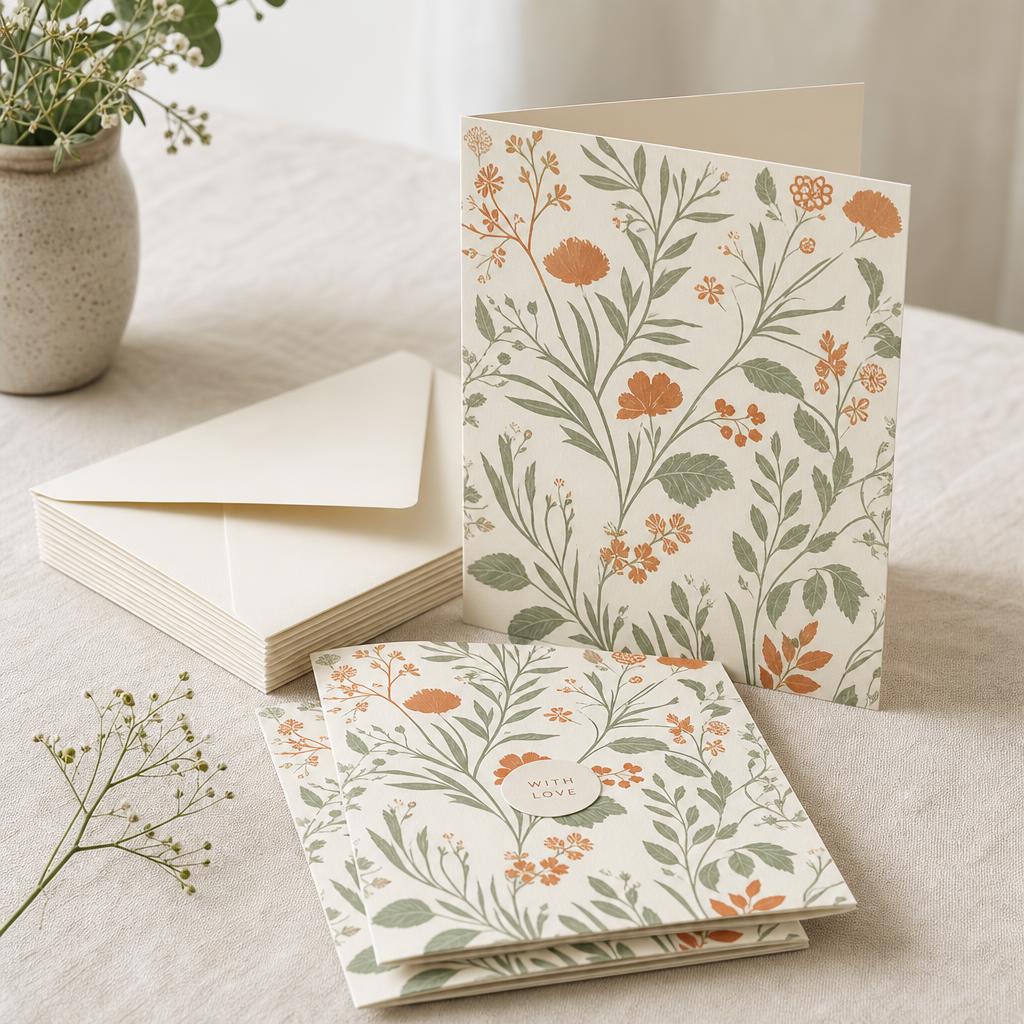
Thank you cards should be ordered with everything else, not afterwards. Print them blank inside, and use a photograph from the day only if you are happy to wait for the gallery — most couples end up sending later than they meant to because of this.
How many to order
- Count households, not guests, for save the dates and invitations. A hundred guests is usually fifty to sixty invitations.
- Add 10 per cent spares for mistakes, keepsakes and the people you forgot.
- Order of service and menus: one per guest, plus ten.
- Place cards: exactly one per attending guest, ordered after RSVPs close.
A realistic timeline
- 12 months: choose your look, order save the dates.
- 6 months: finalise wording and proof invitations.
- 4 months: invitations posted, RSVP date set at 8 weeks before.
- 8 weeks: RSVPs close, chase the stragglers.
- 4 weeks: order on-the-day stationery with final names and menu choices.
- 1 week: everything delivered, boxed and labelled for the venue.
Two things worth paying for
First, a printed proof of the invitation before the full run — screen proofs hide paper colour and weight. Second, matching envelopes. A beautiful invitation in a mismatched envelope loses most of its effect before it is opened.