For anything that needs to survive outdoors, handling or washing, vinyl is the right material. For short-term indoor labels such as packaging seals or promotional stickers, paper is cheaper and perfectly adequate. For a label that should look like it's printed directly onto a surface with no visible background, clear film is the answer.
The main material options
Vinyl
Vinyl stickers are waterproof, resistant to scuffing, and hold up to UV exposure far better than paper, which makes them the standard choice for car and van stickers, outdoor signage, water bottle labels and anything that might get wet or handled repeatedly. They cost more than paper but last for years outdoors rather than fading or peeling within weeks.
Paper
Paper stickers are the most affordable option and print well in full colour, but they aren't waterproof and will tear or smudge if they get wet or are handled roughly. They suit indoor uses with a limited lifespan: promotional giveaways, envelope seals, packaging tape alternatives, event stickers, or short-term labelling where cost matters more than longevity.
Clear film
Clear (transparent) stickers have no white backing, so only the printed areas are visible and everything else lets the surface underneath show through. This gives a premium, "printed directly on" look that's popular for logo stickers on glass, jars or clear packaging, though because there's no white base layer beneath the ink, colours can look slightly less vivid than on white vinyl or paper, particularly on darker or busier surfaces.
Comparing the three
| Material | Waterproof | Durability | Best use | Relative cost |
|---|---|---|---|---|
| Vinyl | Yes | Years, indoor or outdoor | Vehicles, outdoor signage, bottles | Higher |
| Paper | No | Weeks to months, indoor only | Promotions, packaging seals, short-term labels | Lowest |
| Clear film | Yes | Similar to vinyl | Glass, jars, clear packaging, subtle branding | Higher |
Finishes: gloss, matte and more
Gloss finish makes colours pop and gives a shiny, eye-catching look, which suits bold branding and promotional stickers. Matte finish has a softer, non-reflective look that reads as more premium or understated, and it also resists fingerprints and glare better, which matters for labels that will be handled a lot. Both are available on vinyl and most paper stocks; the choice is largely about the tone you want the design to have.
Shape and cutting
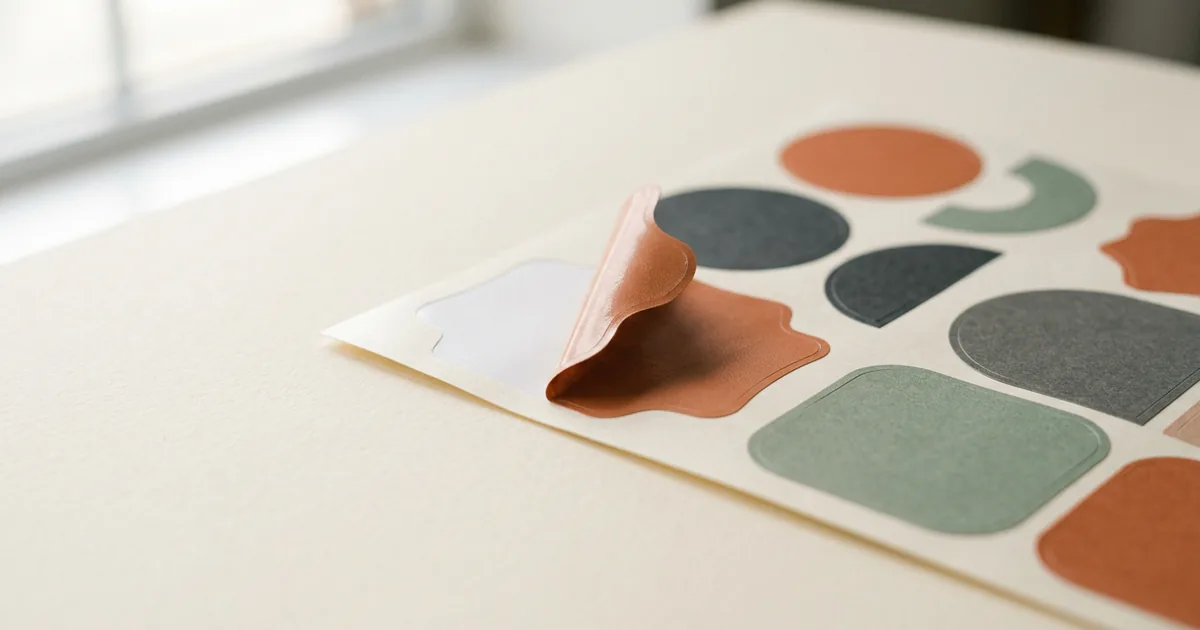
Stickers can be die-cut to any custom outline (following a logo shape, for example) or kept to simple shapes such as circles, squares or rectangles, which are cheaper to produce since they don't require a bespoke cutting tool. For labels applied to curved surfaces like bottles, it's worth checking the material's flexibility – vinyl generally conforms to curves better than paper.
Adhesive strength
Permanent adhesive is the default for most branding and packaging uses and is genuinely difficult to remove cleanly once applied. Removable adhesive is worth requesting for anything that needs to come off later without residue, such as promotional stickers on rented equipment or temporary retail signage.
Practical picks
- Product packaging seals and tamper labels: paper or vinyl depending on how long the product sits on a shelf.
- Outdoor and vehicle branding: vinyl, gloss or matte to taste.
- Jars, bottles and glass: clear film for a premium look, vinyl for maximum durability.
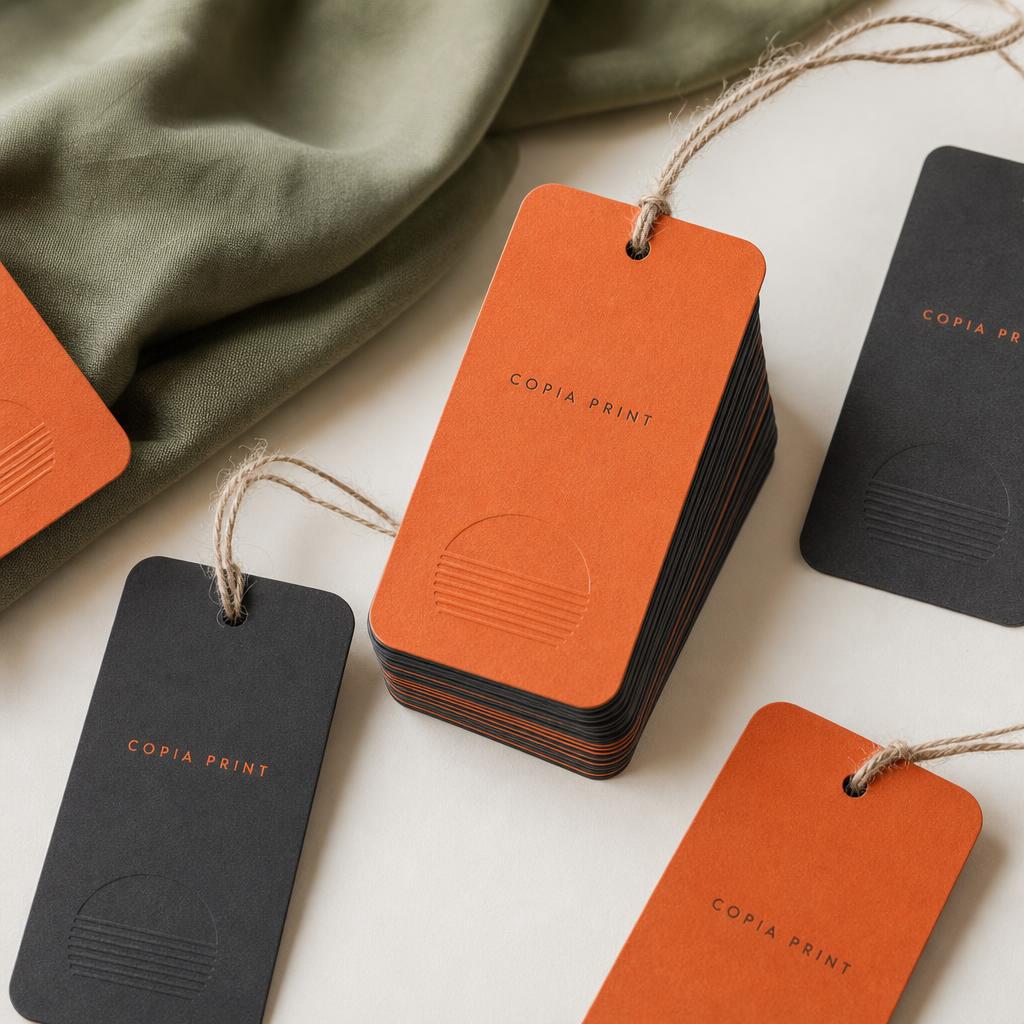
- Swing tags and giveaway stickers: paper is usually sufficient and keeps costs down.
The short version
- Vinyl: durable, waterproof, best for outdoor and long-term use.
- Paper: cheap, indoor-only, best for short-term or promotional use.
- Clear film: no visible background, good for glass and clear packaging.
- Choose gloss for impact, matte for a premium, fingerprint-resistant finish.