Eco-friendly merchandise gets used, rather than shelved, when it's genuinely useful in daily life, not just because it carries a recycled or sustainable label. A sturdy cotton tote that can actually carry a weekly shop will get reused for years; a flimsy one printed with a logo and nothing else usually ends up as a single-use bag despite the intention behind it.
Why totes work as merchandise
A tote bag is visible every time it's used, whether that's a supermarket trip, a gym bag, or carrying a laptop, which gives repeated, passive brand exposure that a one-off giveaway item can't match. The catch is that this only works if the bag is good enough to actually reach for instead of the free bags-for-life sitting in every kitchen drawer already.
Cotton weight and quality
Tote bags vary a lot in the weight of cotton used, typically measured in ounces or gsm, and this is the main factor in whether a bag holds up to real use. A lightweight cotton tote is cheaper and fine for light, occasional use such as carrying a few items home from an event, but it can stretch or tear under real grocery-shop weight. A heavier cotton canvas tote costs more but handles genuine daily use, proper stitched handles, and a decent amount of weight without sagging or ripping at the seams.
Comparing eco merchandise options
| Item | Everyday usefulness | Best branding approach |
|---|---|---|
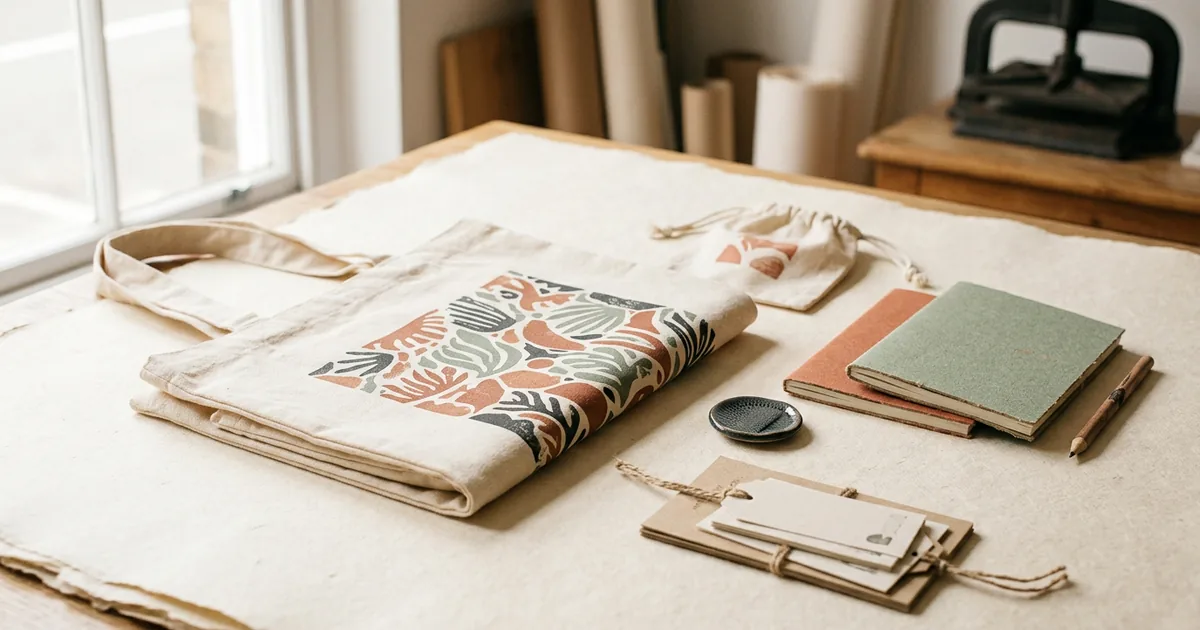
| Cotton tote bag | High, if sturdy enough for real shopping | Simple front logo or bold graphic |
| Recycled notebook | High for office/student use | Cover print or embossed logo |
| Seed paper or recycled bookmark | Low, novelty use | Best as a small add-on, not the main item |
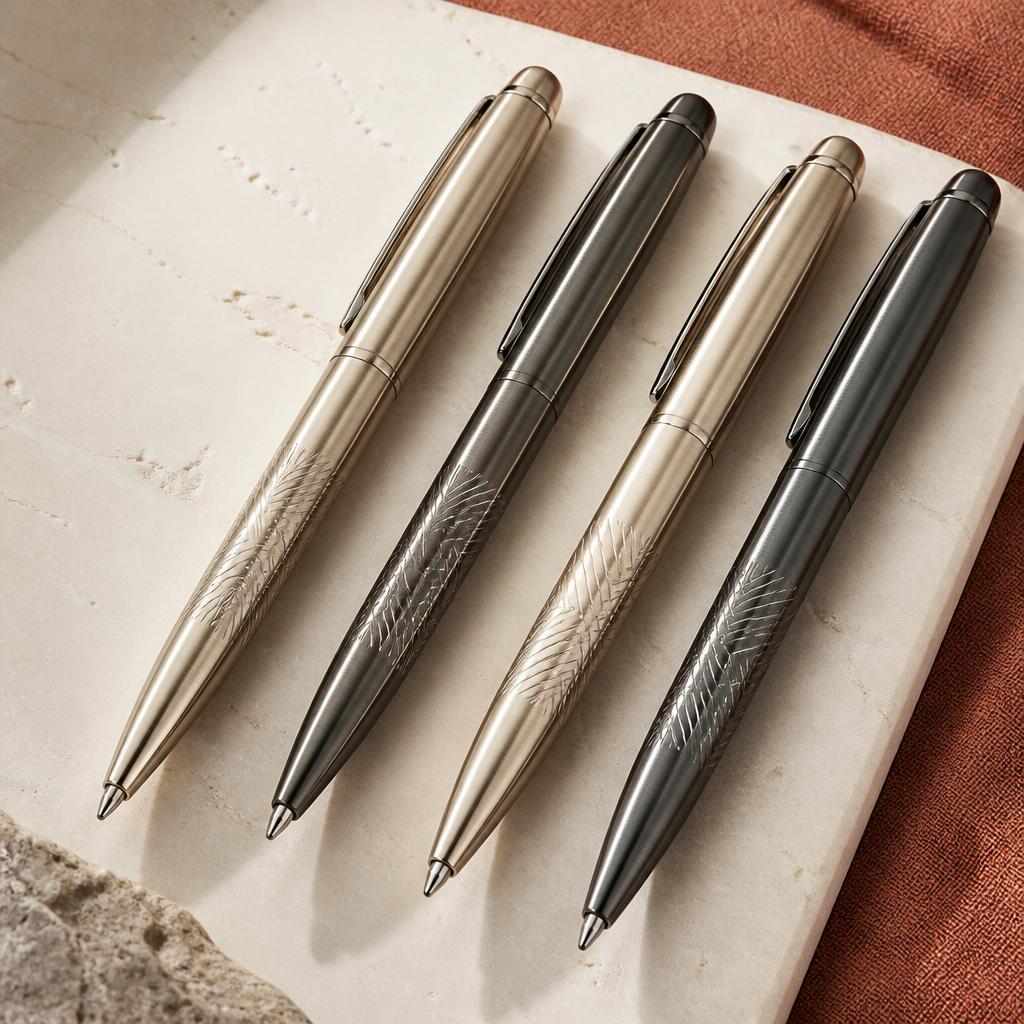
| Recycled/eco pen | High, everyday desk item | Barrel print, keep it simple |
Beyond totes: other genuinely useful eco items
Recycled paper notebooks are one of the most reliably used pieces of merchandise because note-taking is a real, recurring need, and a notebook made from recycled stock signals sustainability without needing to say so on the cover. Similarly, pens or notepads made from recycled materials perform the same practical job as their non-recycled equivalents, so they don't ask the recipient to change their behaviour to get value from them, unlike more novelty eco items such as seed paper, which tend to be used once out of curiosity and then forgotten.
Design principles for eco merchandise
- Favour a simple, bold design over a busy one; totes and notebooks are usually seen from a distance or briefly, so a clean logo reads better than fine detail.
- Avoid over-explaining the sustainability angle on the item itself; a small, honest note (such as "made from recycled cotton") is enough, and the material itself does most of the talking.
- Consider natural, undyed cotton for totes, which keeps the eco credentials visible and avoids the extra water and energy use involved in dyeing.
- Choose one strong item over several throwaway ones: a single decent tote bag or notebook does more for brand visibility than three flimsy items that all end up binned.
Matching the item to the audience
For office-based audiences, notebooks and pens tend to see the most repeat use since they fit existing habits. For general public or event audiences, a good-quality tote often wins because almost everyone has a use for a bag, regardless of their job or lifestyle. Whatever the item, it's worth spending slightly more on quality and slightly less on complexity of branding, since a durable, simply branded item beats a cheap, heavily branded one every time it comes to actual daily use.
The short version
- Useful eco merch gets used; novelty eco merch gets binned.
- Choose heavier cotton totes if they need to carry real weight.
- Notebooks and pens see high everyday reuse; seed paper and similar novelties don't.
- Keep branding simple and let the material's sustainability speak for itself.