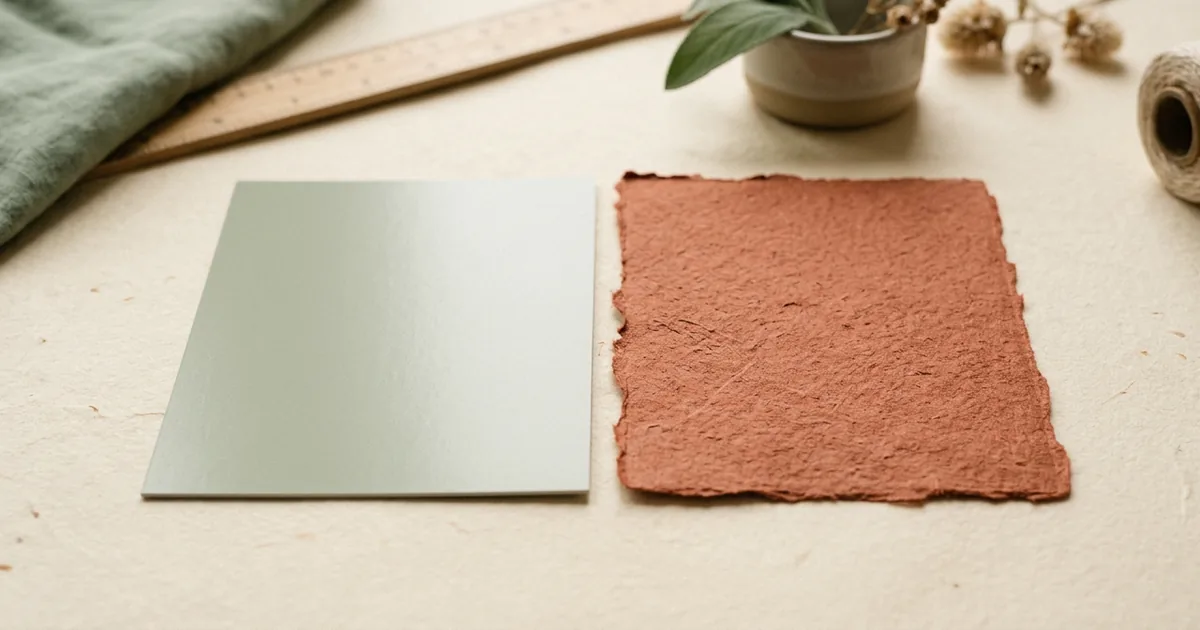
Coated paper has a thin surface layer that makes colours look sharper and brighter, while uncoated paper has a more natural, tactile feel and takes handwriting and stamps better. Neither is "better" outright — it depends on the job.
What coating does to a sheet
Coated papers are treated with a fine layer of clay or polymer that fills the tiny fibres of the paper surface. This stops ink spreading and sitting too deep into the sheet, so printed colours appear crisper and photographs look more detailed. Coatings come in different finishes:
- Gloss — high shine, strong colour pop, most reflective
- Silk/satin — a soft sheen, less glare than gloss, popular for brochures and cards
- Matt — smooth but non-reflective, still coated so colours print sharply
What uncoated paper offers
Uncoated paper has no surface treatment, so the fibres remain more open. Ink absorbs slightly into the sheet, giving a softer, more muted look to colour and a warmer overall feel. It's the paper most people associate with letterheads, notebooks and traditional stationery, because it takes a pen, fountain ink or a rubber stamp cleanly.
Side-by-side comparison
| Property | Coated | Uncoated |
|---|---|---|
| Colour vibrancy | High | Softer, more muted |
| Feel | Smooth, sometimes slick | Natural, tactile |
| Writable surface | Poor, ink can smear | Good |
| Best for | Photography, bold graphics, marketing | Letterheads, stationery, rustic branding |
| Fingerprints/marks | Gloss shows more | Shows less |
Choosing by job type
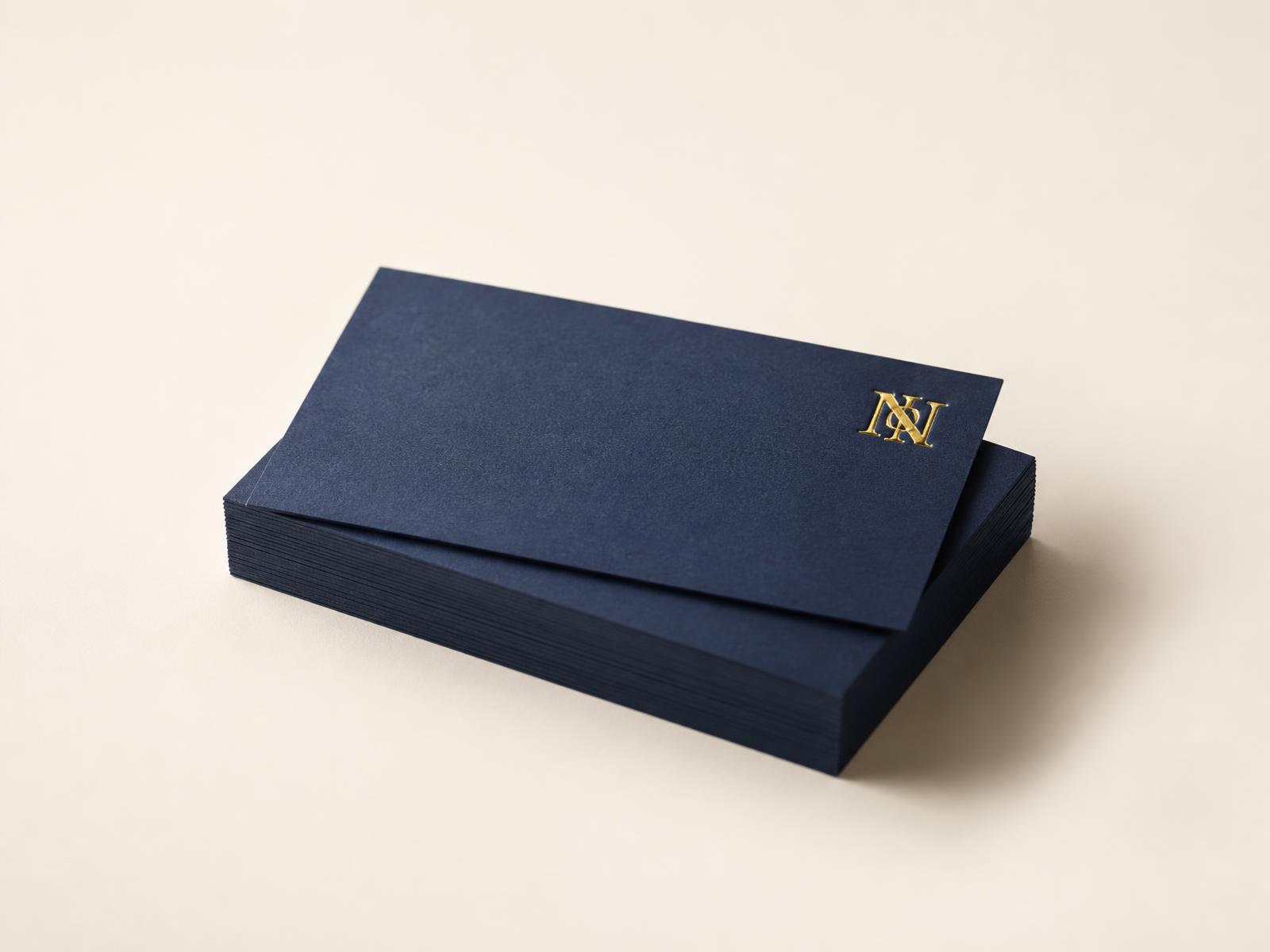
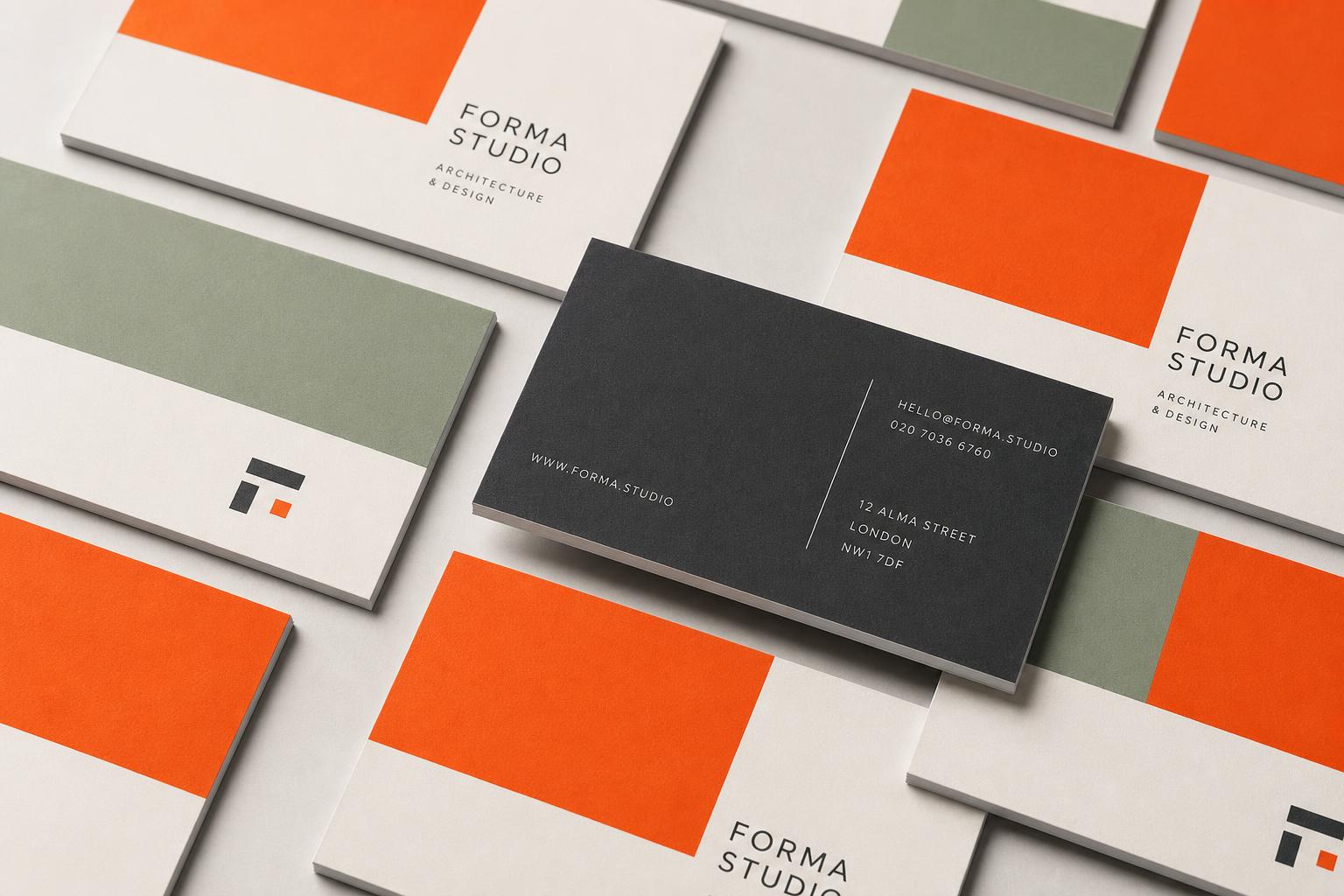
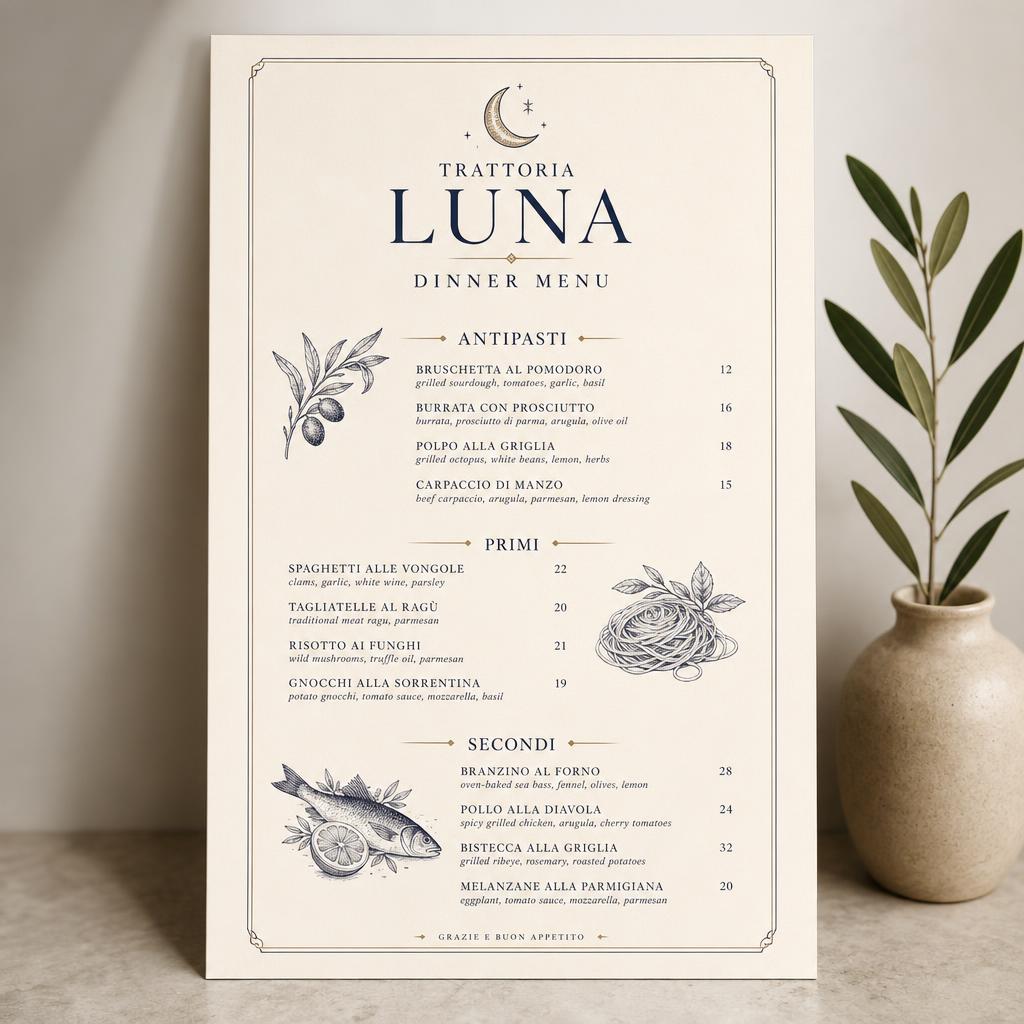
Business cards printed on a silk or matt-coated 350–400gsm stock look polished and professional, and hold up well to handling. Menus benefit from coated stock too, since it resists spills better and shows food photography at its best. Posters almost always look stronger coated, since colour saturation and contrast carry the design from a distance.
On the other hand, invitations, greetings cards and premium stationery often suit uncoated paper because of its texture and the way it takes foil or letterpress. Kraft and other natural uncoated stocks also lean into an eco or artisan aesthetic that a shiny coated sheet can't replicate.
What about matt versus uncoated — aren't they the same?
This is a common mix-up. Matt is a coated finish with no shine; uncoated has no coating at all. Both are non-reflective, but matt-coated paper still prints colour more sharply than a genuinely uncoated sheet, because the coating controls ink absorption even without adding gloss.
A note on weight and finishing
Coating and weight are separate decisions. You can have a lightweight coated leaflet or a heavy uncoated card. If you're adding finishing such as foiling or spot UV, coated stock generally gives a cleaner result because the surface is more even, though uncoated foiling has its own attractive matt-against-texture contrast.
The short version
- Coated paper: sharper colour, better for photography, marketing and menus
- Uncoated paper: natural feel, better for writing on and traditional stationery
- Matt is coated without shine; uncoated has no coating at all
- Match your choice to how the piece will be used, not just how it looks in isolation