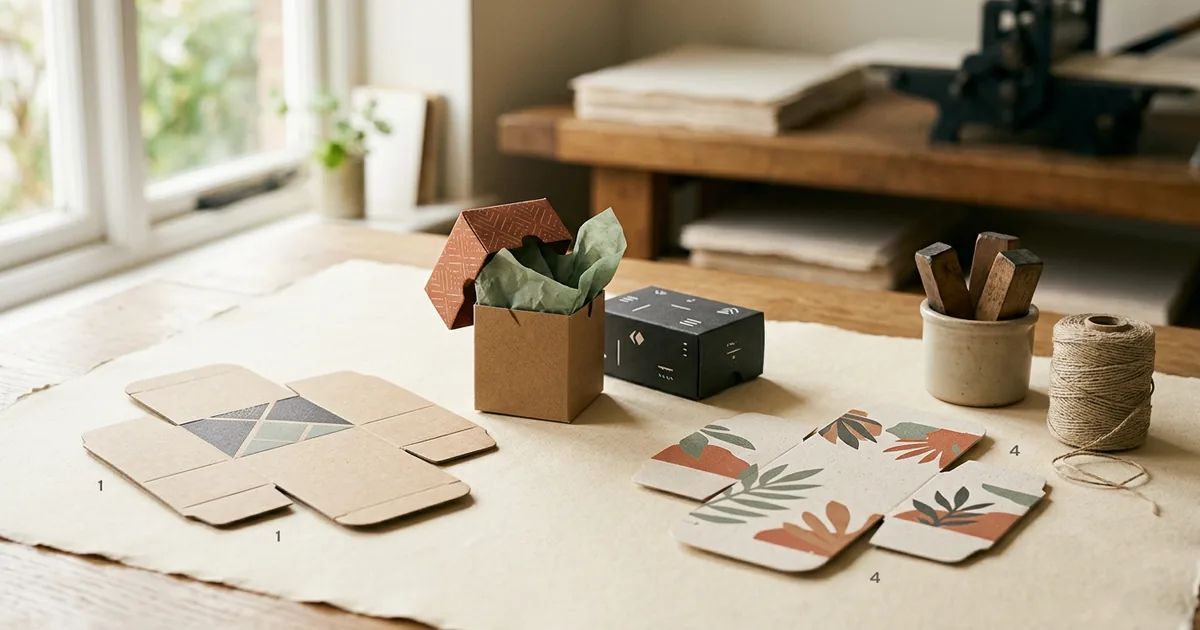
Choosing the right custom box comes down to three questions: what shape and weight is the product, how much protection does it need in transit, and how will it be printed. Get those right and the box style almost picks itself.
Start with the product, not the design
It's tempting to start with how a box will look, but the practical constraints matter more. A heavy or fragile item needs a sturdier board and possibly internal protection, a flat or irregularly shaped product may need a bespoke die-cut box rather than a standard style, and anything sold by post rather than handed over the counter needs to survive a courier network, not just a shelf.
Common box styles for small businesses
| Style | Best for | Notes |
|---|---|---|
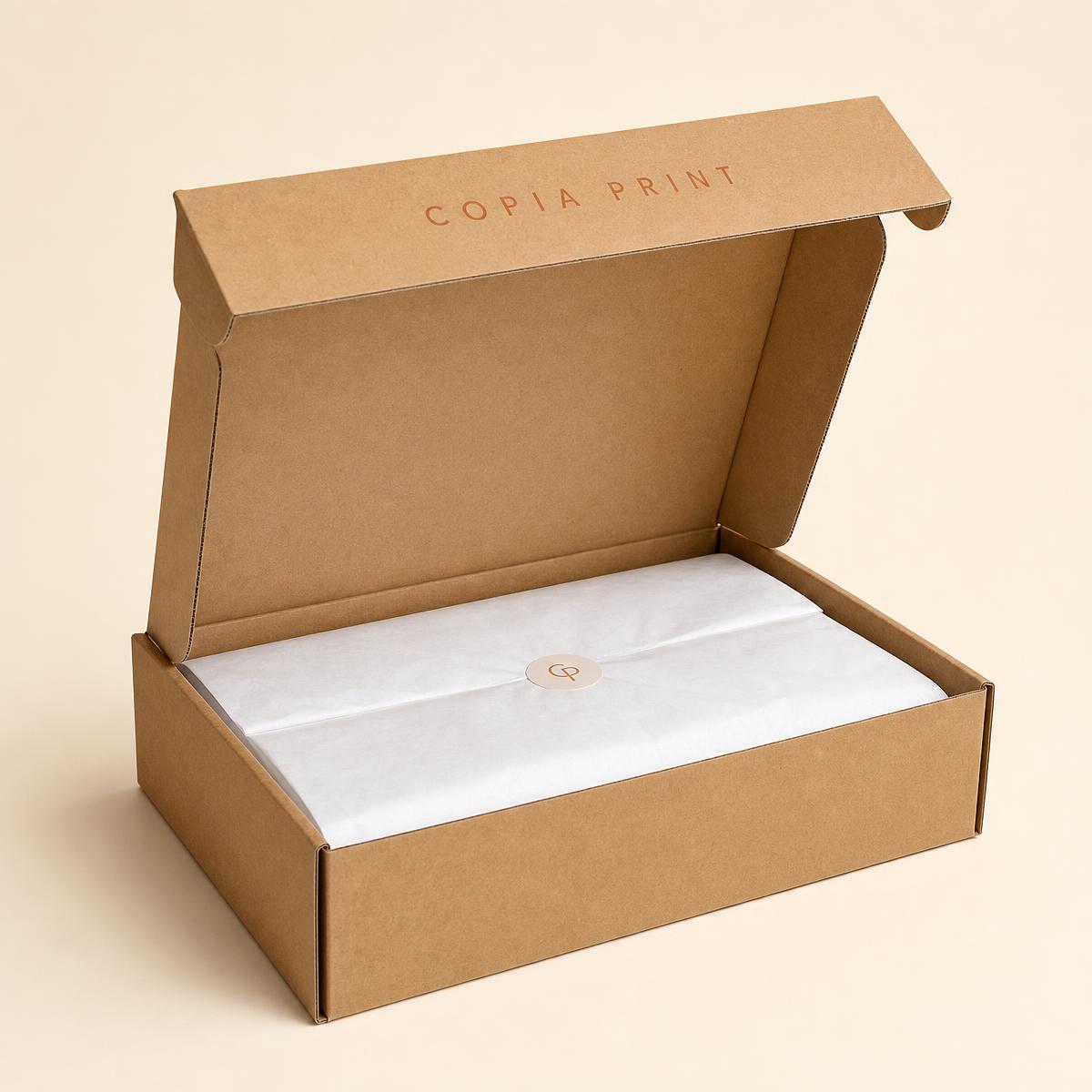
| Mailer box (postal/wrap box) | Ecommerce parcels, subscription boxes | Folds flat, self-locking, no tape needed to close |
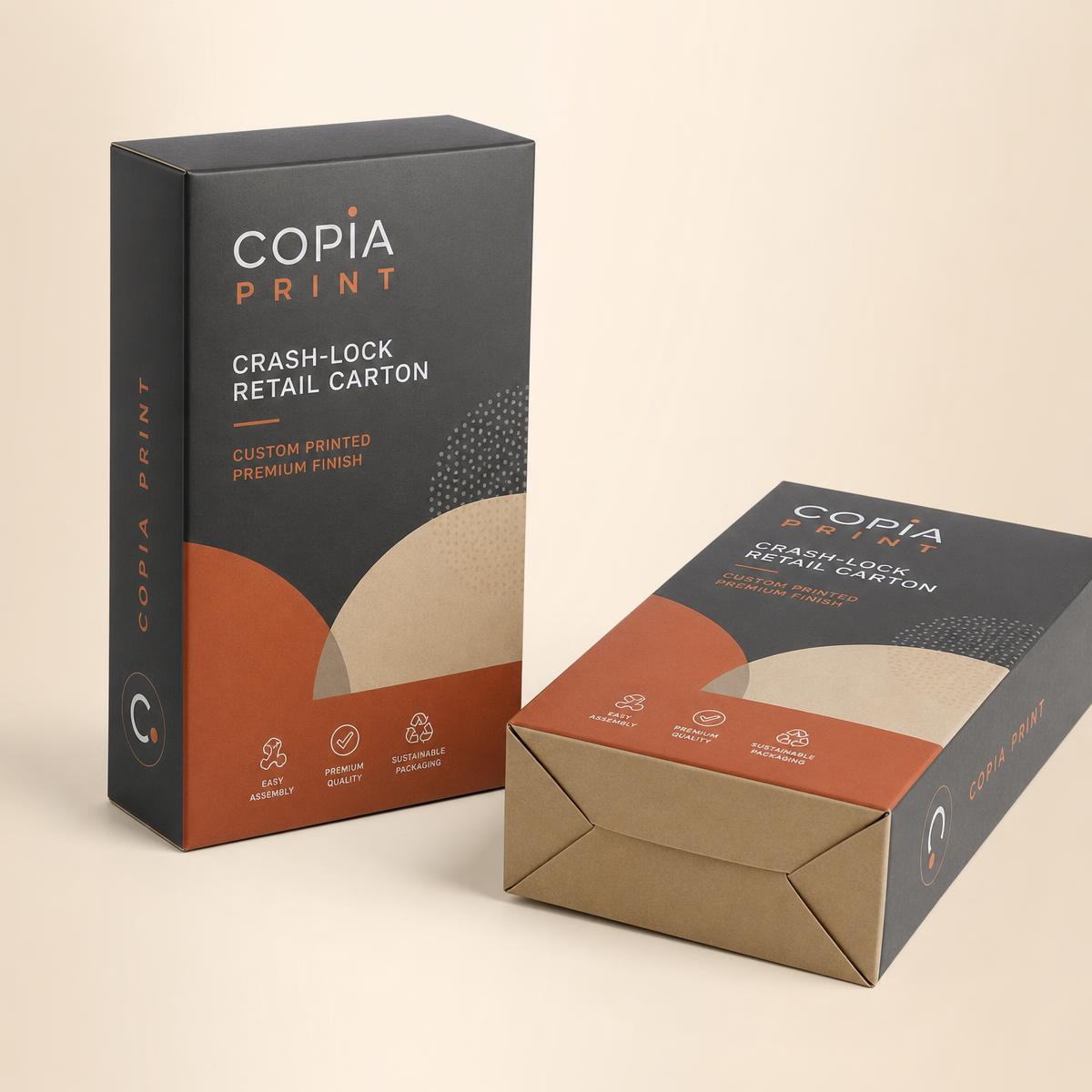
| Crash-lock (auto-bottom) box | Retail and gift packaging | Base locks flat, fast to assemble by hand |
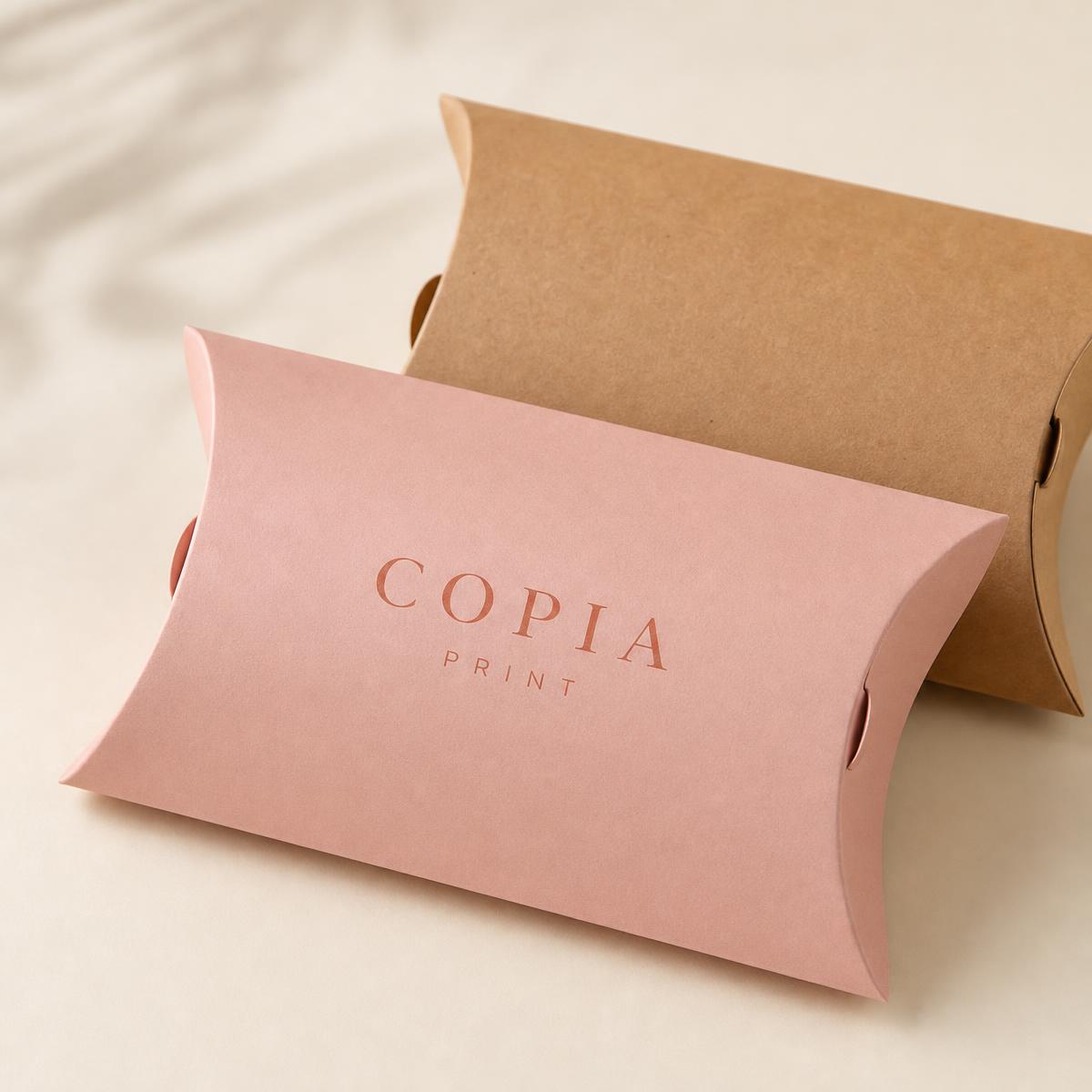
| Pillow box | Small gifts, favours, samples | Decorative curved shape, lightweight items only |
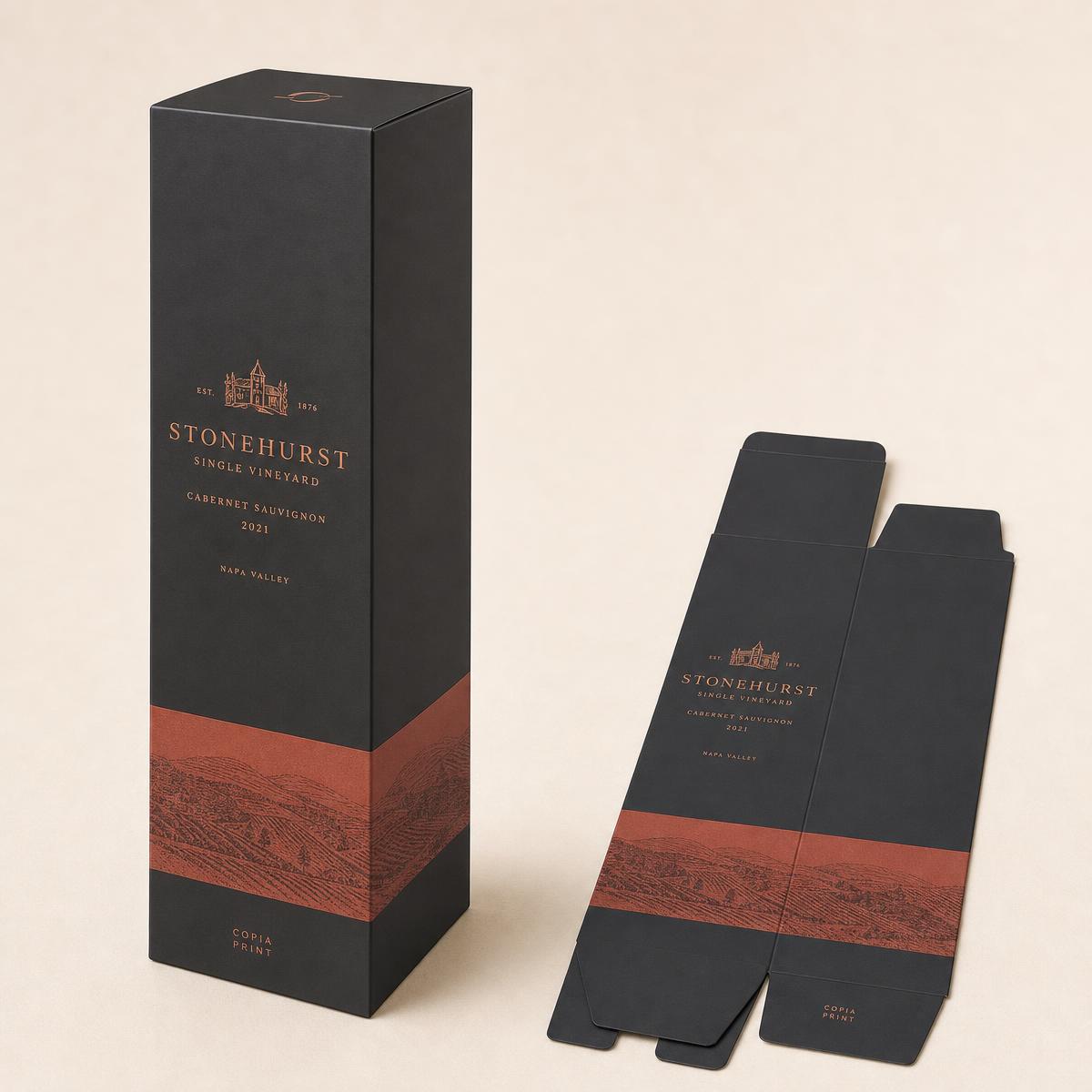
| Bottle box | Wine, spirits, sauces, oils | Snug fit reduces movement, often with dividers |
Board weight and protection
Board thickness is usually described by its flute (the corrugated layer) and weight. A single-wall corrugated board is enough for most lightweight products sent by courier; double-wall adds significant crush resistance for heavier or more fragile items but adds cost and bulk. For anything breakable, don't rely on the box alone – tissue paper, void fill or fitted inserts reduce movement inside the box, which matters more to damage rates than the board thickness itself.
Print methods and when to use them
- Direct print onto the box – cost-effective for medium to large runs, gives full-colour branding across the whole surface.
- Printed labels or stickers applied to plain boxes – the cheapest route for small runs or when you want to change designs often without reordering boxes.
- Custom tape – a simple, low-cost way to brand a plain box, useful for businesses not yet ready to invest in fully custom boxes.
Getting the size right
An oversized box costs more to ship, needs more void fill, and looks less considered when it arrives. Measure the product (or the product plus any inner packaging) and choose a box with only the clearance needed for safe padding, not extra room "just in case". For irregular shapes, a bespoke die-cut box designed around the product footprint often works out cheaper overall than a generic box plus lots of extra packing material.
Sustainability considerations
Recyclable, single-material packaging is easier for customers to dispose of responsibly and increasingly expected by shoppers. Corrugated cardboard boxes are widely recyclable through standard kerbside collection, and choosing water-based inks and avoiding unnecessary plastic void fill (in favour of paper-based alternatives) keeps the whole package recyclable rather than needing to be separated into materials first.
Ordering in the right quantity
Custom boxes usually have a minimum order quantity that drops the unit price significantly compared with small runs, so it's worth forecasting a few months of stock rather than reordering every few weeks, provided storage space allows. If order volumes are still unpredictable, printed labels on plain boxes give branding without committing to a large custom-box order.
The short version
- Choose box style based on product shape and protection needs first.
- Mailer boxes suit ecommerce, crash-lock suits retail, pillow boxes suit small gifts, bottle boxes suit drinks.
- Match board weight to product fragility rather than over-specifying.
- Right-size the box and consider labels or custom tape for smaller runs.