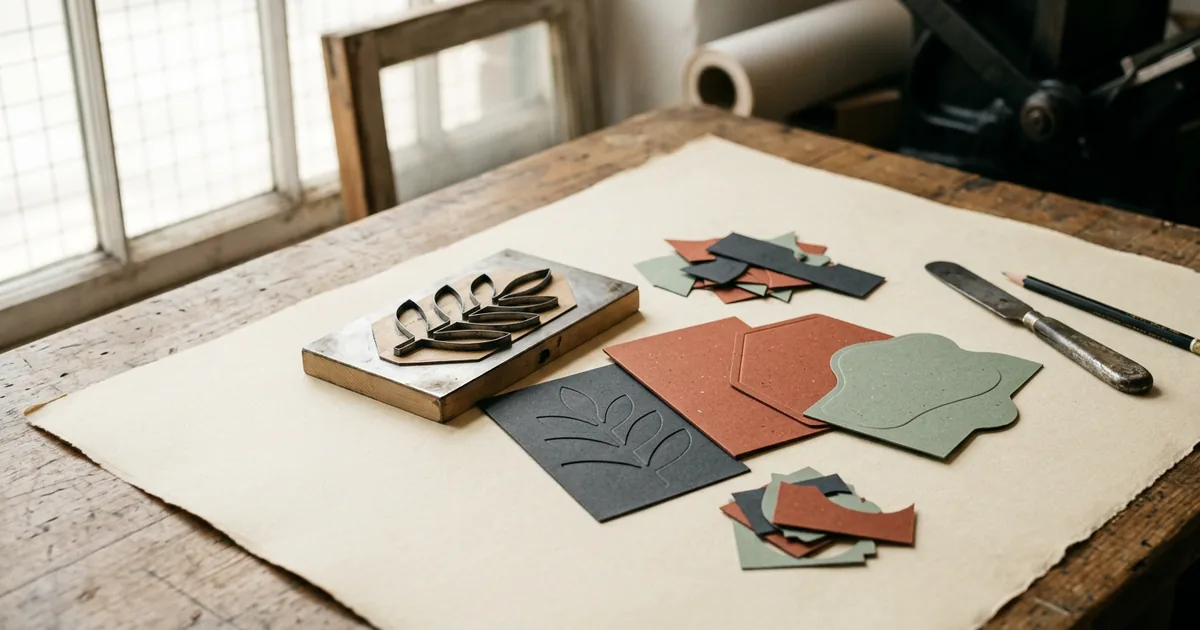
Die cutting uses a shaped blade to cut printed material into a custom outline instead of a standard rectangle, and it's a practical way to make cards, tags and packaging stand out or fit a specific function.
How die cutting works
A die is a steel rule (or, for very short runs, a laser or digital cutter) shaped to the exact outline you need. Sheets are printed as normal, then passed through the die to cut the final shape. Common examples in everyday print include rounded-corner business cards, custom swing tags, folder wallets with tabs, and box mailers that fold from a flat sheet into a finished carton.
Two main approaches are used depending on volume: a bespoke metal die for larger runs, which is efficient once made but has a setup cost, and digital or laser cutting for shorter runs, which skips the die-making step but costs more per unit at scale.
What shapes are practical
Not every idea translates well into a die-cut shape. Straightforward shapes — rounded corners, ovals, simple tags with a hole punch, and box formats — are efficient and reliable. Highly intricate outlines with sharp internal points or very thin sections can be fragile, tear during handling, or need a much higher-cost precision die.
Typical shaped print jobs
| Product | Typical shape | Why it's die cut |
|---|---|---|
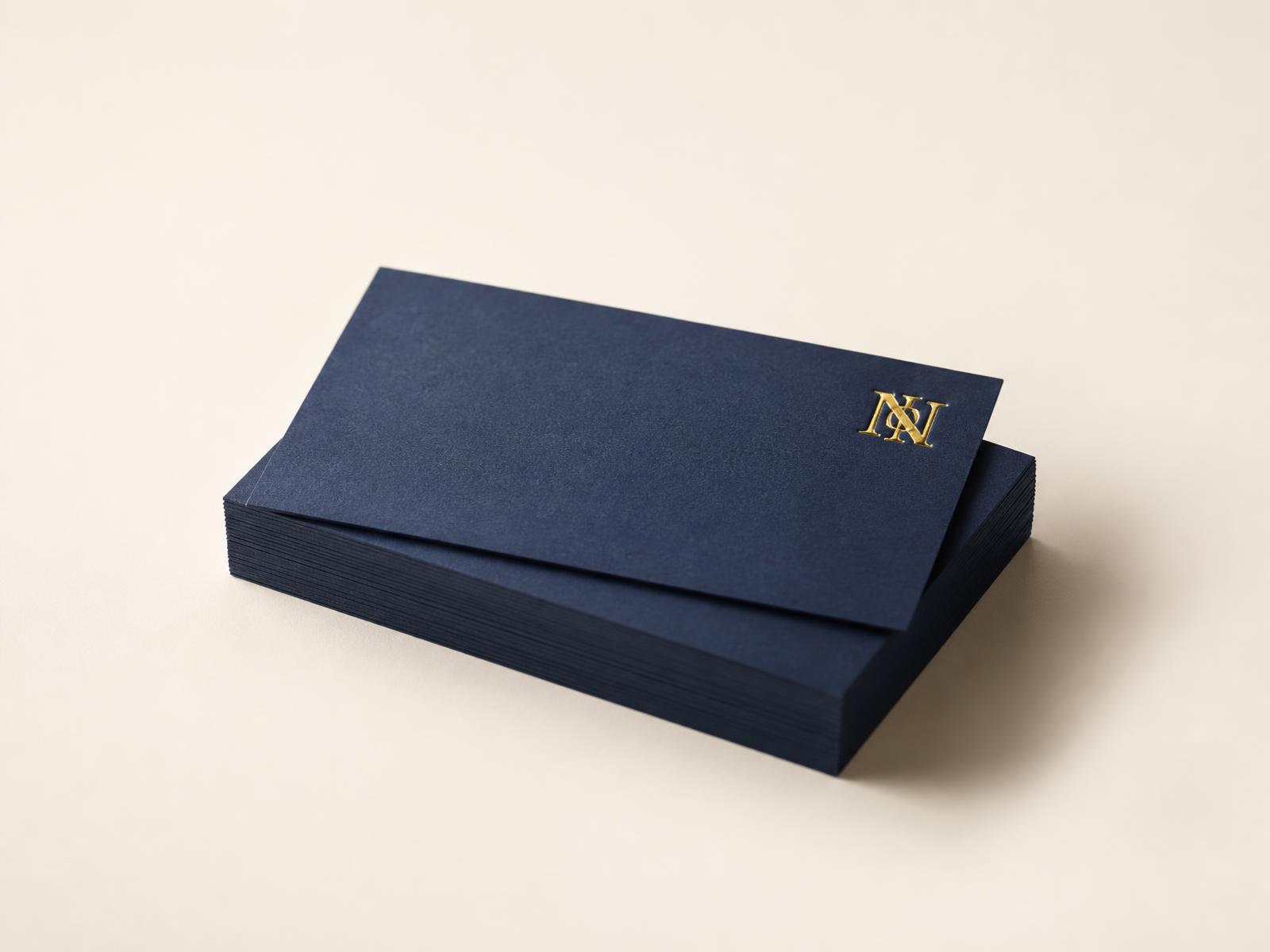
| Business cards | Rounded or angled corners | Softer feel, reduced dog-earing |
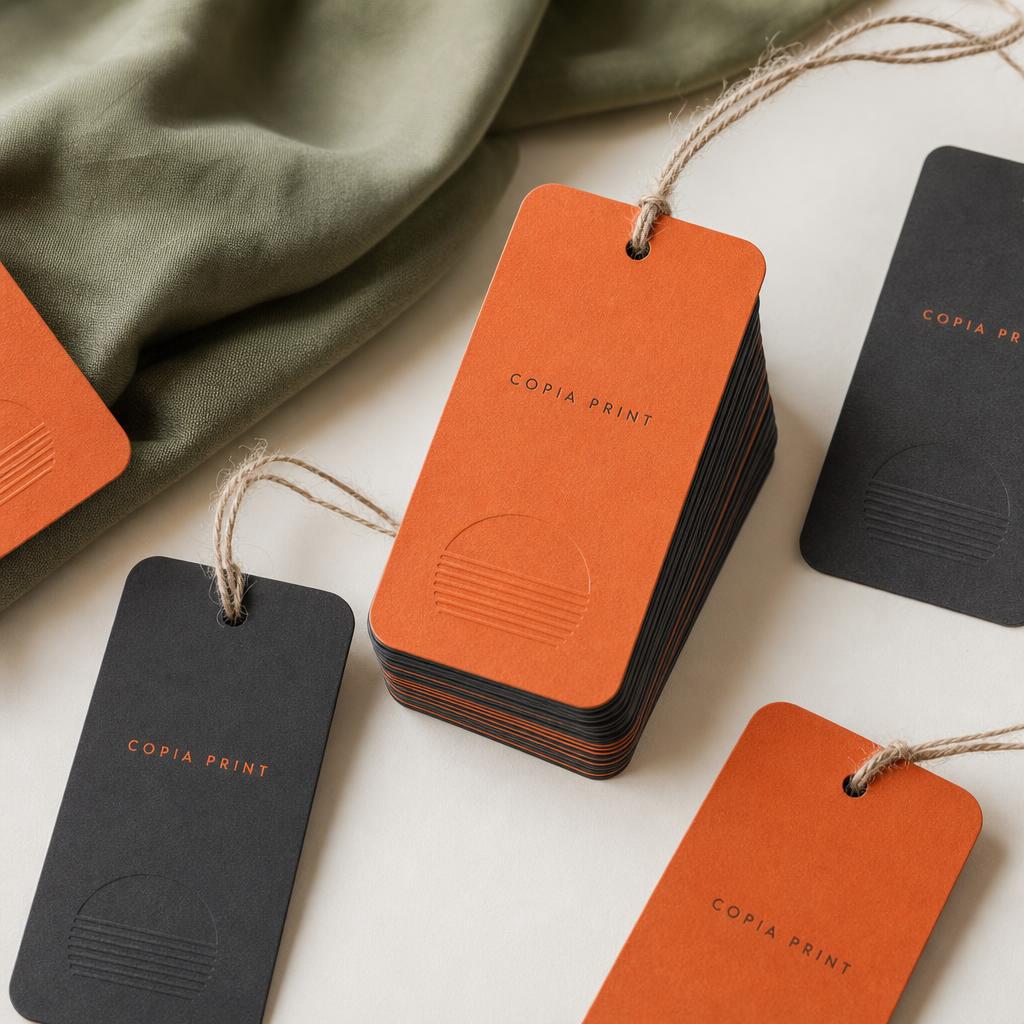
| Swing tags | Custom outline plus hole | Branding and attachment to product |
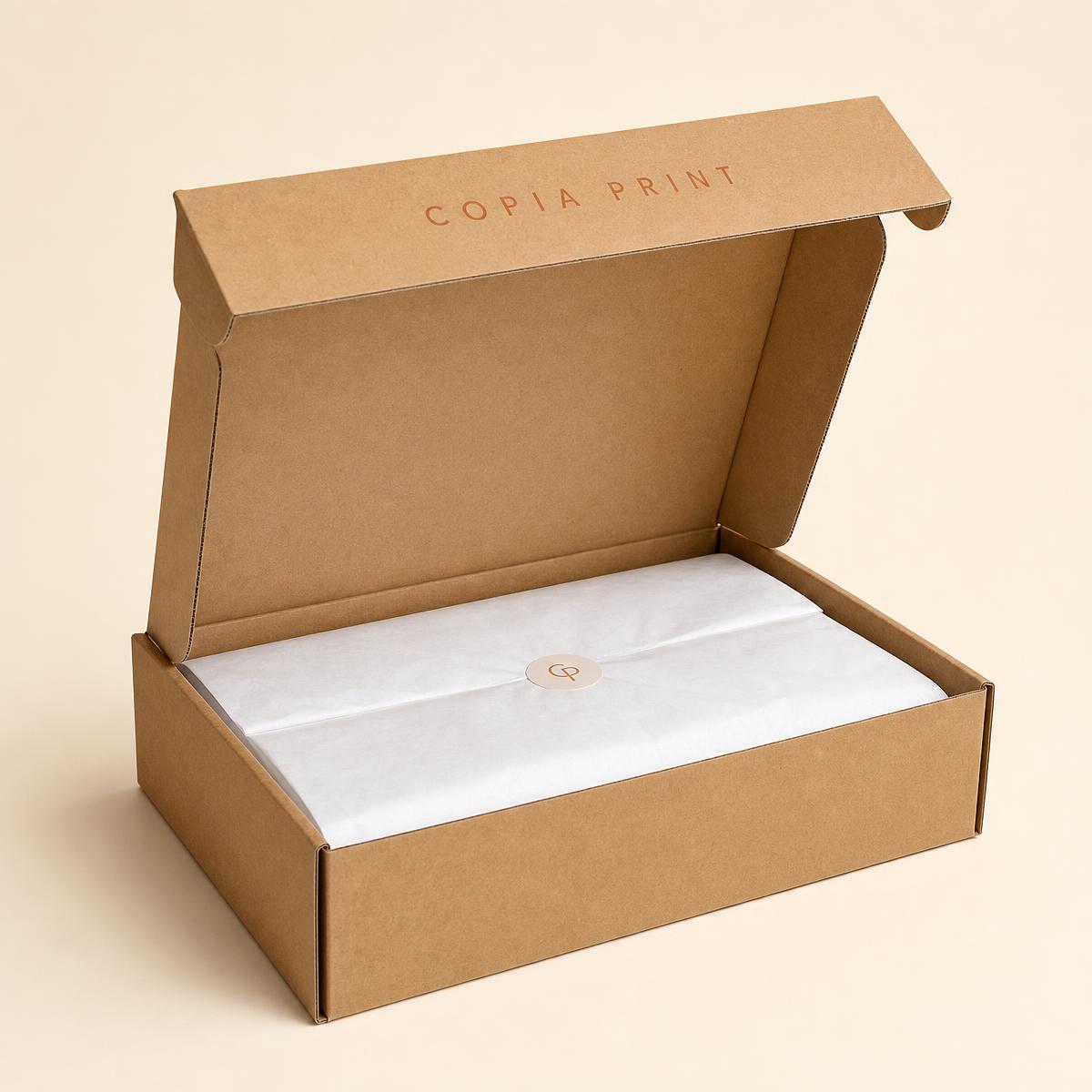
| Box mailers | Flat sheet with fold/tab lines | Folds into a functional carton |
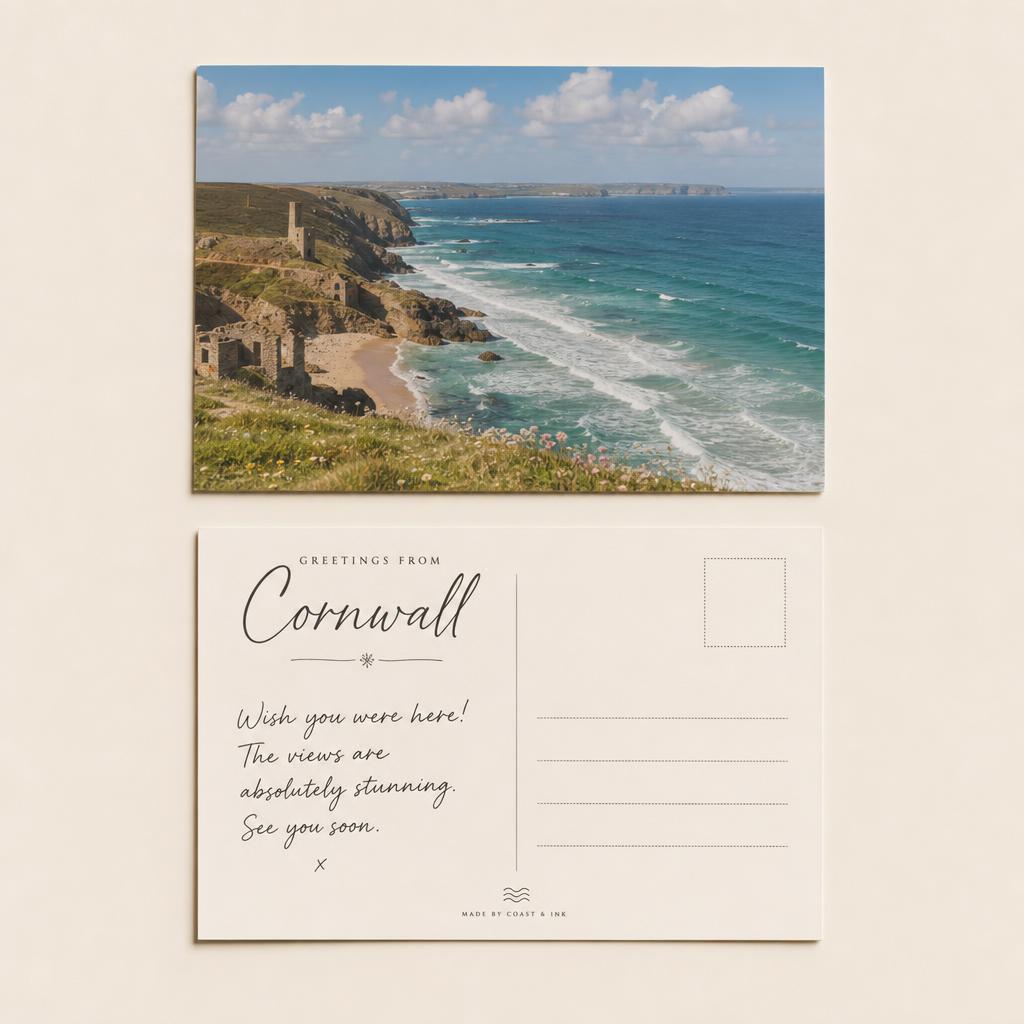
| Postcards | Rounded corners or notches | Distinctive shape for mailers |
Design tips for die-cut work
- Always design to a supplied die line template — a shape drawn freehand rarely lines up with the physical blade
- Keep important text and logos well inside the cut line, since a small amount of movement during cutting is normal
- Avoid very thin "necks" of paper in the shape, which can tear or bend during finishing and delivery
- Remember that fold lines (creases) and cut lines are different tools and often need to be shown separately on artwork
Where die cutting adds real value
Swing tags are one of the clearest wins: a die-cut shape with a pre-punched hole turns a flat printed card into something ready to attach straight to a product, saving a manufacturing step. Box mailers rely entirely on die cutting to create fold and tab lines that let a flat sheet become a rigid, functional box. For business cards and postcards, a rounded corner or notch is a smaller but noticeable way to differentiate a brand from standard rectangular competitors on a desk or countertop.
Cost considerations
Simple shapes like rounded corners are usually a low-cost option, sometimes included at little to no extra charge as a finishing option. Fully custom outlines typically involve a one-off die charge, which is more cost-effective spread across a larger print run. If you expect to reorder the same shape repeatedly, a bespoke die is often worth the upfront cost.
The short version
- Die cutting creates custom shapes using a steel rule die or digital cutter
- Simple shapes (rounded corners, tags, box formats) are the most cost-effective
- Design to the supplied die line and keep detail away from the cut edge
- Best value for swing tags, packaging, and cards that need to stand out