The A-series is the standard paper size system used across the UK and most of the world, running from the enormous A0 down to the tiny A7, plus the separate DL size used for envelopes and leaflets. Each size is exactly half the area of the one before it, which is why they all share the same proportions and why an A4 sheet folds neatly into two A5s.
How the A-series works
A0 measures 841 x 1189mm and has an area of one square metre. Fold it in half along the long edge and you get A1, fold that in half and you get A2, and so on down to A7. Because the ratio of the sides (1:1.414) stays constant, nothing needs to be stretched or cropped when you scale artwork up or down between sizes, which makes the system genuinely useful for designers as well as printers.
The full size chart
| Size | Dimensions (mm) | Common use |
|---|---|---|
| A0 | 841 x 1189 | Large event posters, exhibition graphics |
| A1 | 594 x 841 | Shop window posters, presentation boards |
| A2 | 420 x 594 | Posters, in-store signage |
| A3 | 297 x 420 | Menus, small posters, portfolios |
| A4 | 210 x 297 | Letters, flyers, brochures |
| A5 | 148 x 210 | Flyers, invitations, notepads |
| A6 | 105 x 148 | Postcards, small flyers |
| A7 | 74 x 105 | Tags, tiny inserts, gift cards |
| DL | 99 x 210 | Compliment slips, leaflets, envelopes |
Where DL fits in
DL isn't part of the A-series at all; it's a separate standard designed so a folded sheet fits neatly into a standard C5 or C6 envelope. A DL leaflet measures 99 x 210mm, roughly a third of an A4 sheet, which is why it's the go-to size for takeaway leaflets, rate cards and anything posted through a letterbox.
Choosing the right size for the job
Size should follow purpose, not habit. A few pointers:
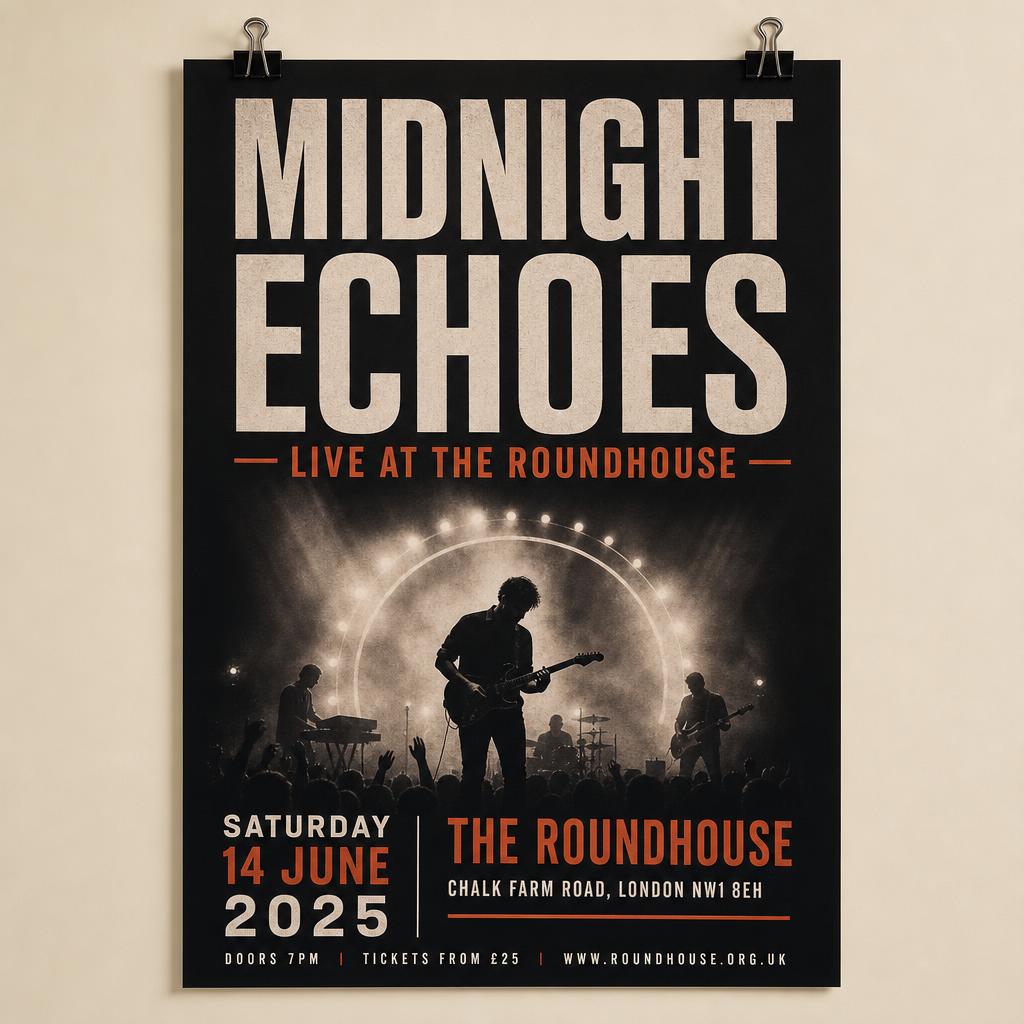
- Posters for shop windows or noticeboards usually work best at A2 or A1 – big enough to catch the eye from across a room but still easy to handle and store flat.
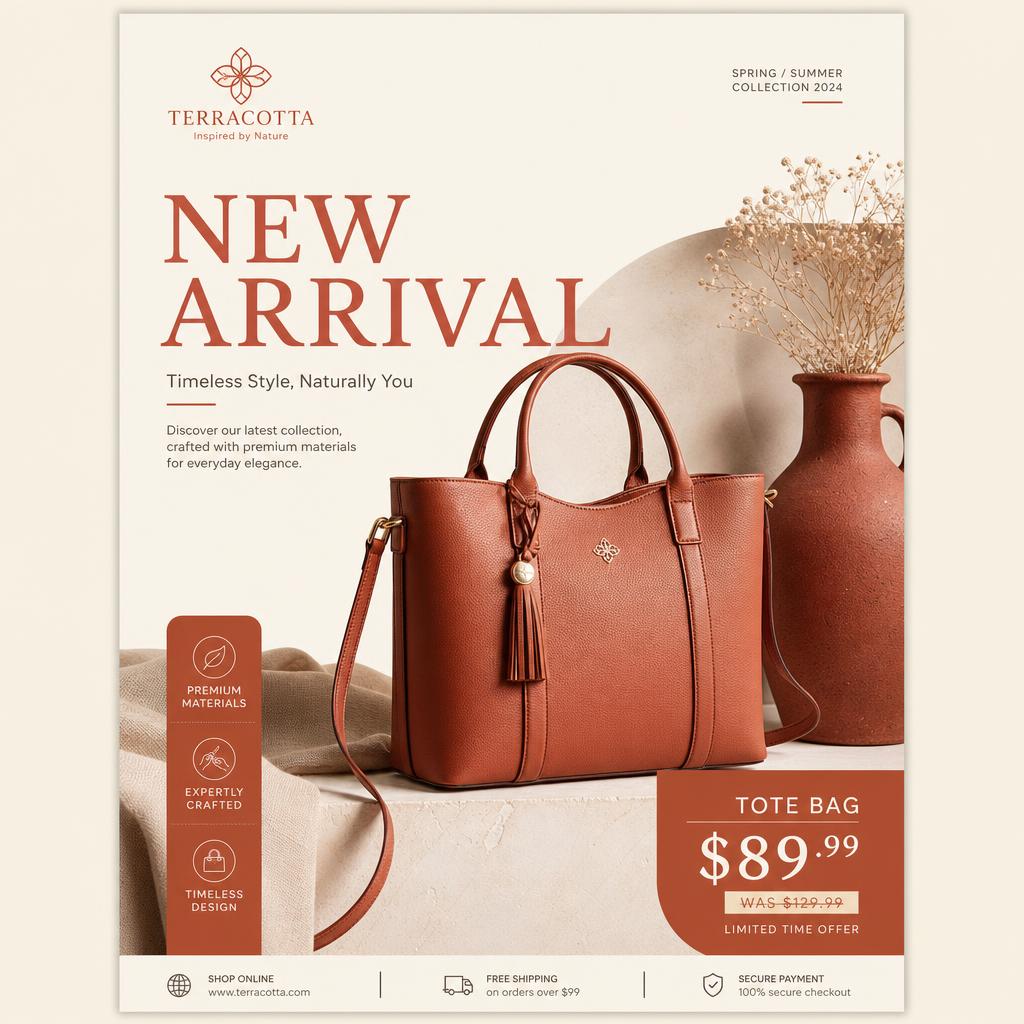
- Handout flyers are almost always A5, since it's compact enough to slip into a bag but large enough to carry a proper message and image.
- Postcards, save-the-dates and appointment reminders suit A6, matching standard postcard racks and pocket sizes.
- Mailed leaflets and inserts should be DL if they need to fit a standard envelope without folding awkwardly.
Practical printing notes
When scaling artwork between A-sizes, remember that halving the dimensions doesn't halve the file resolution requirement in the same way – text and fine detail that reads fine on an A2 poster viewed from two metres away may look cramped on an A5 flyer read at arm's length, so it's worth adjusting layout, not just shrinking it. Always leave a small bleed margin (usually 3mm) around any background colour or image that runs to the edge, whatever size you're printing, so trimming doesn't leave a thin white border.
It's also worth checking postage rules if you're mailing anything: Royal Mail's large letter rate has maximum dimensions that A4 and A5 comfortably meet, but anything larger than A4 that isn't rolled or boxed can tip into a more expensive parcel rate.
The short version
- A-series sizes halve in area each step down: A0 to A7.
- A2/A1 for posters, A5 for flyers, A6 for postcards, DL for envelopes and mailed leaflets.
- Proportions stay constant across sizes, so artwork scales cleanly.
- Always add bleed and check envelope or postage limits before you print.