A flyer campaign gets results when it is aimed at a specific, well-defined area or audience, makes one clear offer rather than trying to say everything at once, and includes a simple way to track who actually responded — a discount code, a specific phone number or a dedicated web address. Skip any of these three and a flyer run can easily become an expensive way to generate a small stack of paper in people's recycling bins.
Start with who, not what
Before designing anything, be specific about who you are trying to reach and where they actually are. "Local homeowners within a mile of the shop" or "commuters walking past the station between 7 and 9am" are targetable; "everyone in town" is not, and campaigns aimed at everyone tend to under-perform because the message can't speak directly to any one group.
This also determines your distribution method. A tightly defined residential area suits door-to-door delivery. A commuter audience suits hand-to-hand distribution near a station at specific times. A hobbyist or interest-based audience might be better reached by leaving flyers at a relevant venue — a gym, a community centre, a specialist shop — with the owner's permission, rather than a general area drop.
One offer, clearly stated
The flyers that get results tend to lead with a single, specific offer rather than a general description of the business. "20% off your first visit this month" gives someone a reason to act now; "quality service since 2010" does not. Keep the flyer to one main message, with supporting details — opening hours, address, contact details — genuinely secondary on the page.
A simple structure that works
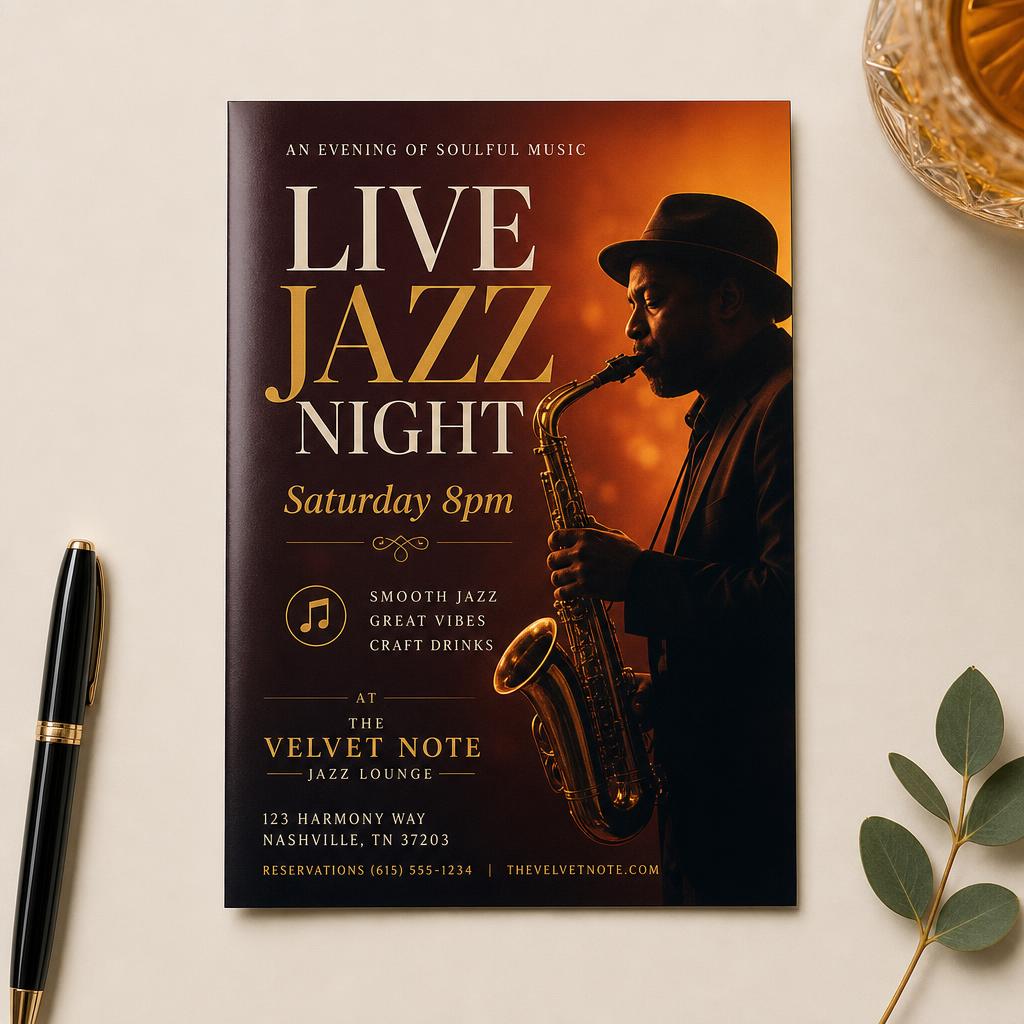
- Headline: the offer or benefit, in the largest text on the page.
- Supporting line: one sentence of context — what it applies to, or why now.
- Visual: a photo or graphic relevant to the offer, not just a generic stock image.
- Call to action: a specific next step — visit, call, scan, quote a code.
- Contact details and expiry date: kept smaller, but present and legible.
Making responses trackable
Without a way to track response, it is almost impossible to know whether a flyer campaign worked, which makes it hard to justify running another one. A unique discount code printed only on the flyer, a QR code linking to a specific landing page, or a phone extension used only for that campaign all let you count responses directly rather than guessing.
| Tracking method | Best for | What it tells you |
|---|---|---|
| Unique discount code | Retail, hospitality, services with a booking system | Exact redemption count |
| QR code to a specific landing page | Any business with a website | Scans and, with analytics, conversions from those scans |
| Dedicated phone number or extension | Service businesses taking enquiries by phone | Call volume directly attributable to the flyer |
| "Where did you hear about us?" at point of sale | Any business, as a backup method | Rough attribution, dependent on staff asking consistently |
Distribution and timing
Distribution volume matters less than most people assume; a smaller, well-targeted run to the right households or the right footfall generally outperforms a much larger untargeted one. Timing also matters — a flyer for a seasonal offer needs to land with enough notice for someone to act, but not so early that it is forgotten. For an event or a time-limited offer, one to two weeks ahead is usually a sensible window.
Consider running two smaller drops rather than one large one, spaced a few weeks apart. This gives a second chance to reach people who missed or ignored the first, and lets you tweak the offer or design based on the first drop's response before repeating it.
The short version
- Define a specific audience and area rather than aiming at "everyone".
- Lead with one clear offer and a specific call to action, not a general business description.
- Build in a tracking method — a code, QR link or dedicated number — before you print.
- A smaller, well-targeted run usually beats a larger untargeted one; consider two smaller drops over one big one.