
Recycled paper is made wholly or partly from paper that has already been used, while FSC paper simply comes from forests managed to a recognised environmental standard. They are not the same thing, and a sheet can be one, both, or neither.
What "recycled" actually means
Recycled paper is made from reclaimed fibre rather than virgin wood pulp. In the UK, most recycled stocks are described as a percentage: 100% recycled, 80% recycled, and so on. The remaining fibre in a blended sheet is usually virgin pulp added to keep strength and printability consistent, because recycled fibre shortens and weakens slightly each time it is reprocessed.
There's also a difference between pre-consumer waste (offcuts and trimmings from paper mills that never reached a customer) and post-consumer waste (paper that has genuinely been used and recycled by the public). Post-consumer content is generally considered the more meaningful measure of a paper's environmental credentials.
What FSC certification means
The Forest Stewardship Council (FSC) is an independent certification scheme covering how forests are managed and how timber is tracked through the supply chain, known as chain of custody. FSC-certified paper can be made from virgin wood fibre, recycled fibre, or a mix, provided the sourcing and paper trail meet FSC's standards at every stage of production.
This means you can have virgin FSC paper (fresh fibre from a responsibly managed forest) and recycled FSC paper (reclaimed fibre tracked through a certified chain of custody). Both carry the FSC logo, but they come from different sources.
Comparing the two
| Feature | Recycled paper | FSC paper |
|---|---|---|
| Fibre source | Reclaimed/used paper | Can be virgin or recycled |
| What it guarantees | Reduced use of new pulp | Responsible forest management |
| Typical look/feel | Can be slightly less bright or smooth | Same range as standard papers |
| Certification body | No single scheme (self-declared %) | FSC (independently audited) |
Does it affect print quality?
Modern recycled stocks are much closer to virgin paper than they were a decade ago. A 100% recycled 400gsm business card stock will feel and print almost identically to a virgin equivalent, though very high recycled content can occasionally give a marginally warmer white and a touch less brightness under close inspection. For most business print — cards, leaflets, menus, brochures — the difference is not something your customers will notice.
Which should you choose?
If your priority is reducing use of freshly cut timber and diverting waste from landfill, look for a high recycled percentage, ideally with post-consumer content stated. If your priority is knowing that every stage of the paper's journey, from forest to finished sheet, has been independently checked, look for FSC certification. Many businesses simply choose paper that carries both, which covers both bases.
Practical tips for ordering
- Check whether "recycled" refers to the whole sheet or just part of the blend
- Ask whether FSC paper is virgin or recycled fibre if it matters to your brand messaging
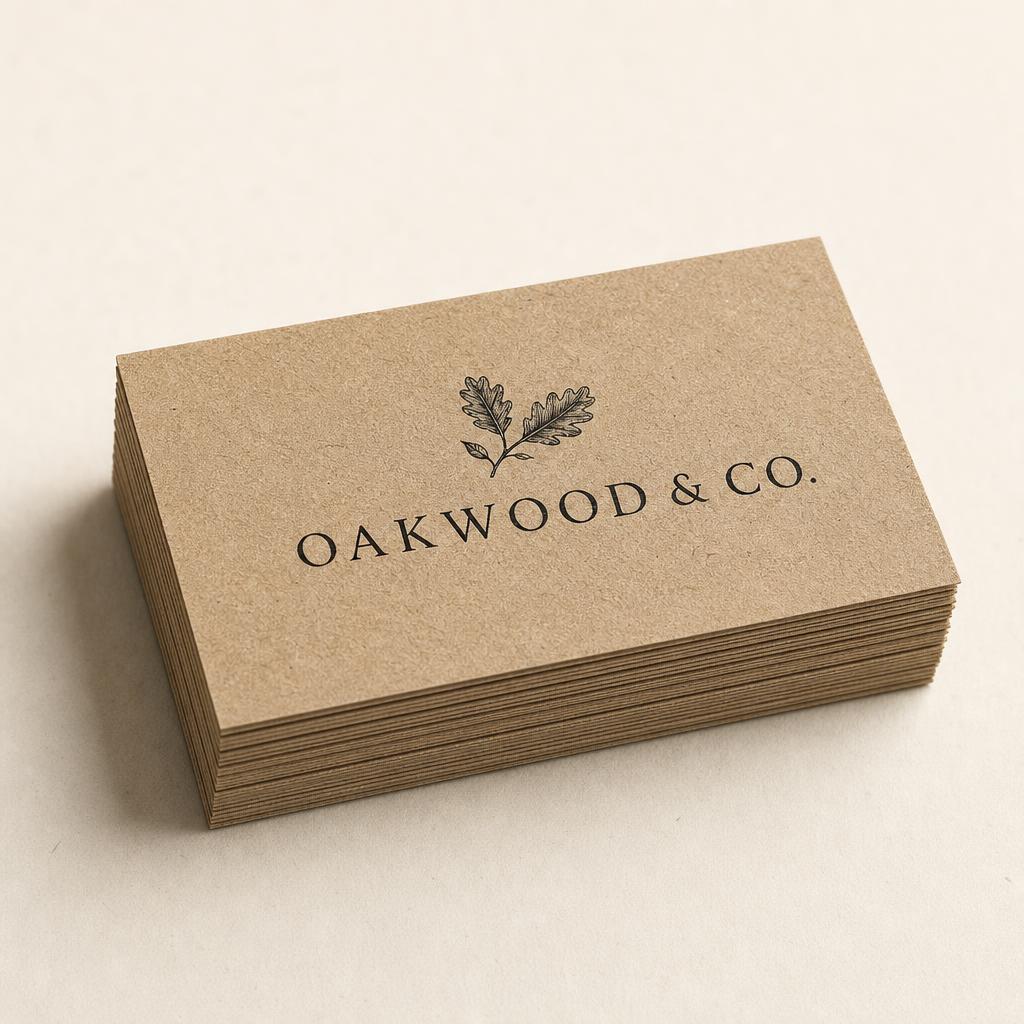
- Kraft and other uncoated recycled stocks work particularly well for rustic or eco-positioned brands
- If you mention sustainability claims on your own marketing, keep the wording accurate to the certificate, not just the paper name
The short version
- Recycled paper is about the fibre source: reclaimed rather than new
- FSC is about responsible forest management and traceability, and can apply to virgin or recycled paper
- Modern recycled stocks print well and suit most everyday business jobs
- Choose based on which claim matters most to your brand, or look for both