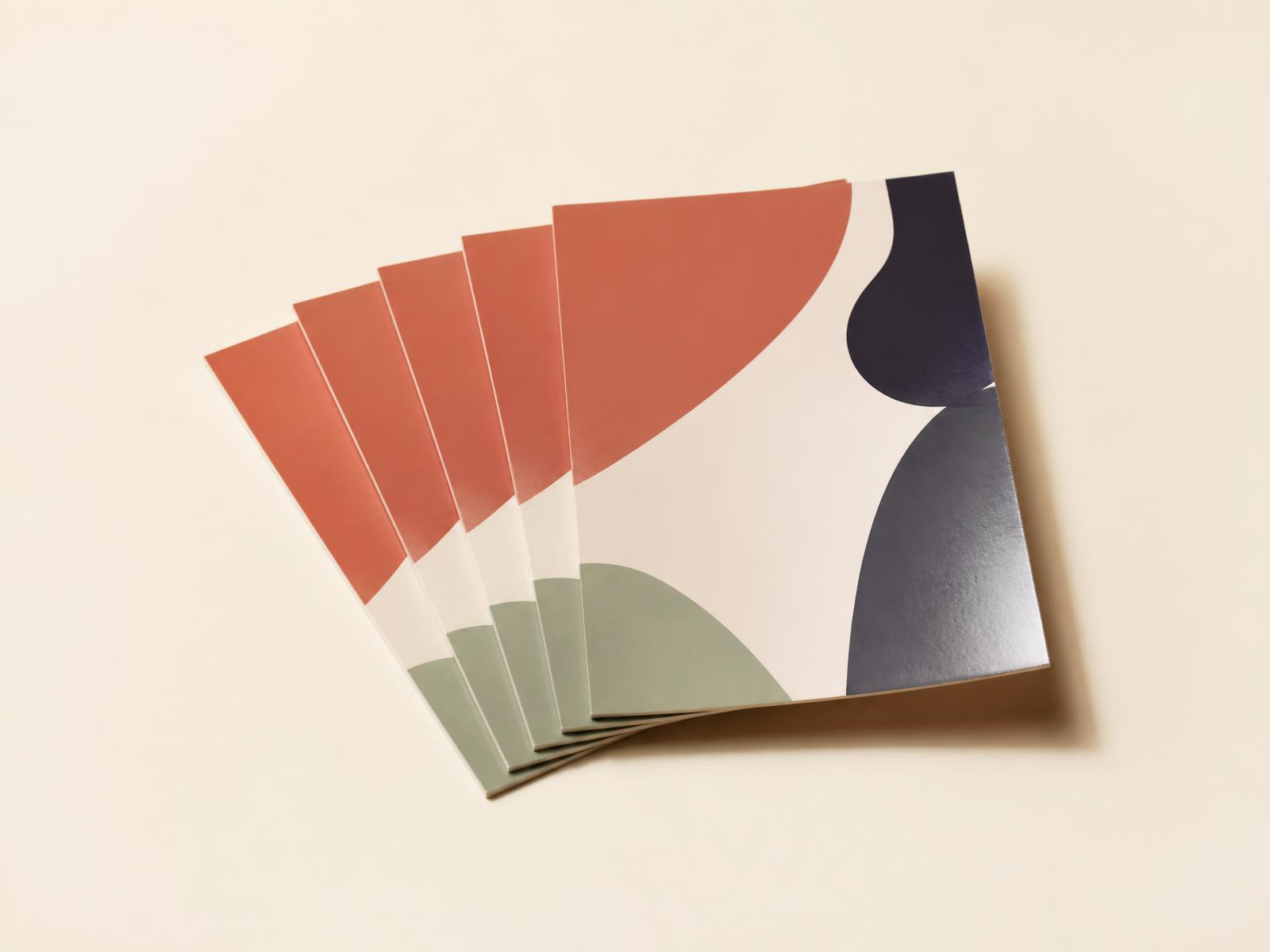
Flyer size is a distribution decision more than a design one. Pick the format that matches how the flyer reaches someone, and the design follows naturally.
A6 (105 x 148mm) — hand-to-hand
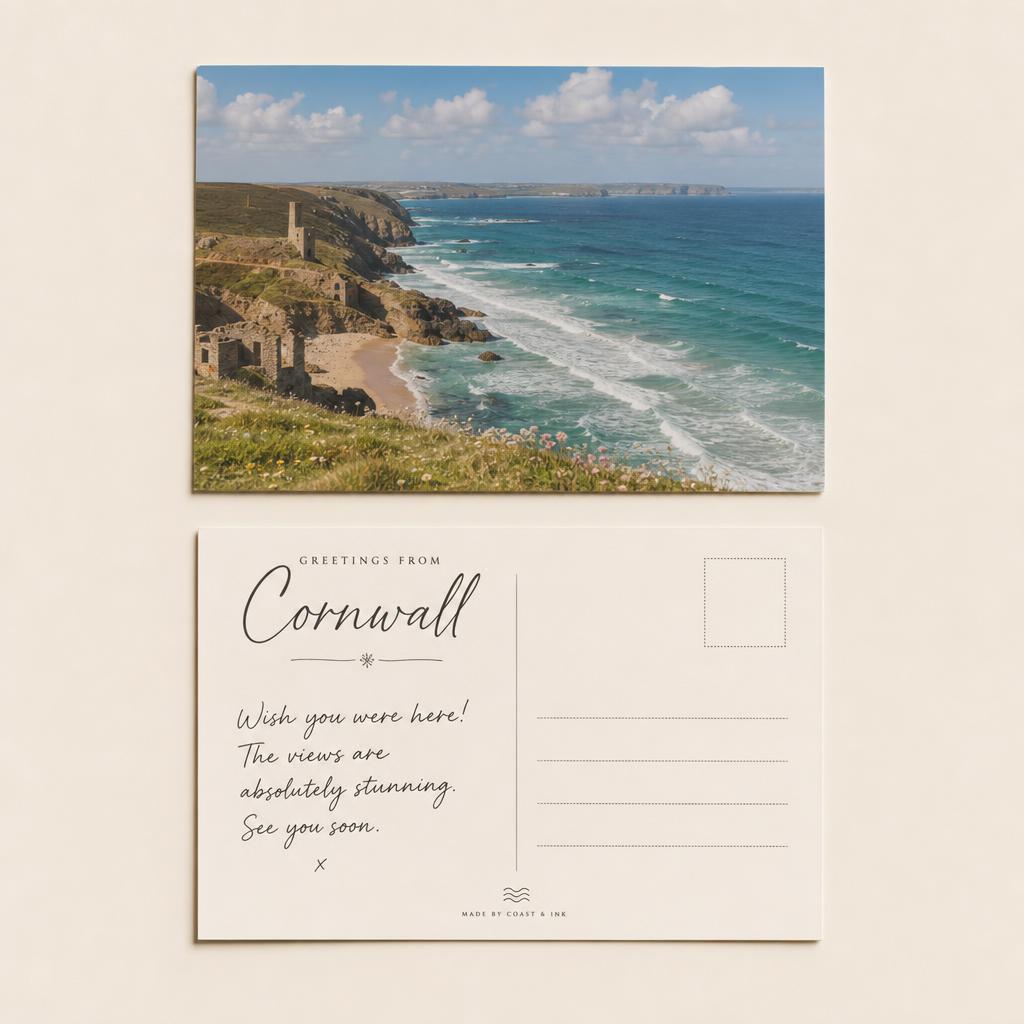
Postcard-sized, cheap and easy to carry a few hundred of. A6 works for street handouts, table drops, event giveaways and anything tucked into a bag with an order. There is room for one message, one image and one call to action — nothing more. If you find yourself shrinking type below 8pt to fit, you have chosen the wrong size.
A5 (148 x 210mm) — the all-rounder
Roughly half a sheet of A4. A5 is the default for menus, class timetables, price lists and anything where the reader needs to compare a few options. It holds around 150 to 250 words comfortably, plus a decent image. It is also large enough to be read pinned to a noticeboard from a metre away.
DL (99 x 210mm) — letterboxes and racks
DL is a third of A4 and fits a standard envelope without folding, which makes it the natural choice for door drops and inserts. It also sits neatly in the wire display racks you find in receptions, tourist offices and gyms — those racks are built for DL, and an A5 flyer in one gets bent.
The long narrow shape rewards a strong vertical hierarchy: headline at the top, three short benefits down the middle, contact details at the base.
When to fold instead
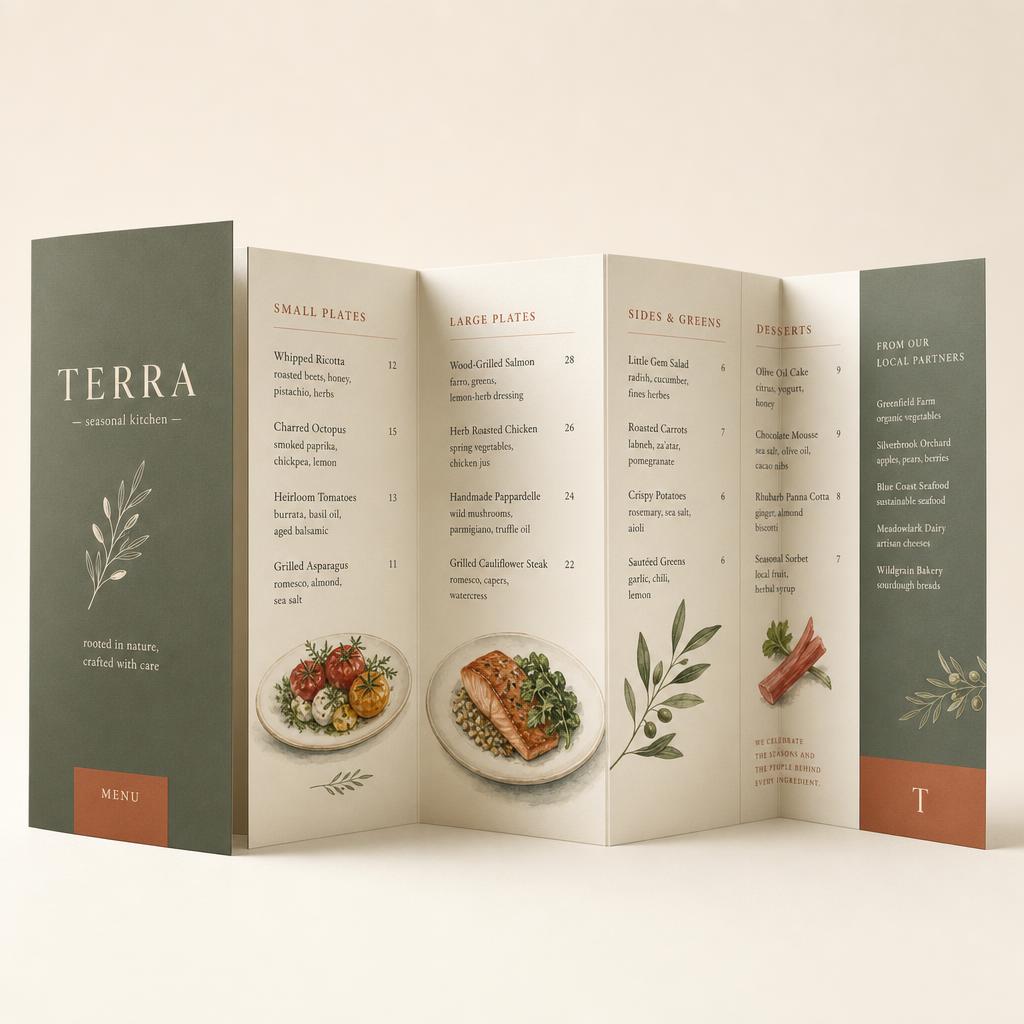
If your content will not fit on one side of A5, do not go up to A4 — fold. A DL 6pp folded leaflet gives you six panels of A4-height content that still posts and racks like a DL. It is the most content per pound of anything we print.
Paper weight by use
- 130 to 170gsm: standard handouts and door drops. 170gsm gloss is the sweet spot — it feels substantial and does not curl.
- 250gsm plus: anything the recipient is meant to keep, such as a loyalty card or a voucher.
- Uncoated: only if people will write on it.
Quantity reality check
Response rates on unsolicited flyers usually sit between 0.5 and 2 per cent. If you need thirty enquiries, plan for a few thousand flyers rather than a few hundred, and print a single design well rather than three designs badly. Unit costs fall steeply after 2,500, so it is often cheaper to print 5,000 than to reprint 1,000 twice.